A PTFE butterfly valve is a corrosion-resistant flow control device designed with a PTFE (Polytetrafluoroethylene) lining or seat, offering exceptional chemical stability and low friction. Because of PTFE’s non-reactive properties, these valves are widely used in industries where media are highly corrosive, pure, toxic, or require contamination-free transport.
This article provides a detailed explanation of how PTFE butterfly valves work, key technical advantages, available configurations, and industry-specific application guidelines — helping users choose the best valve solution for complex fluid systems.
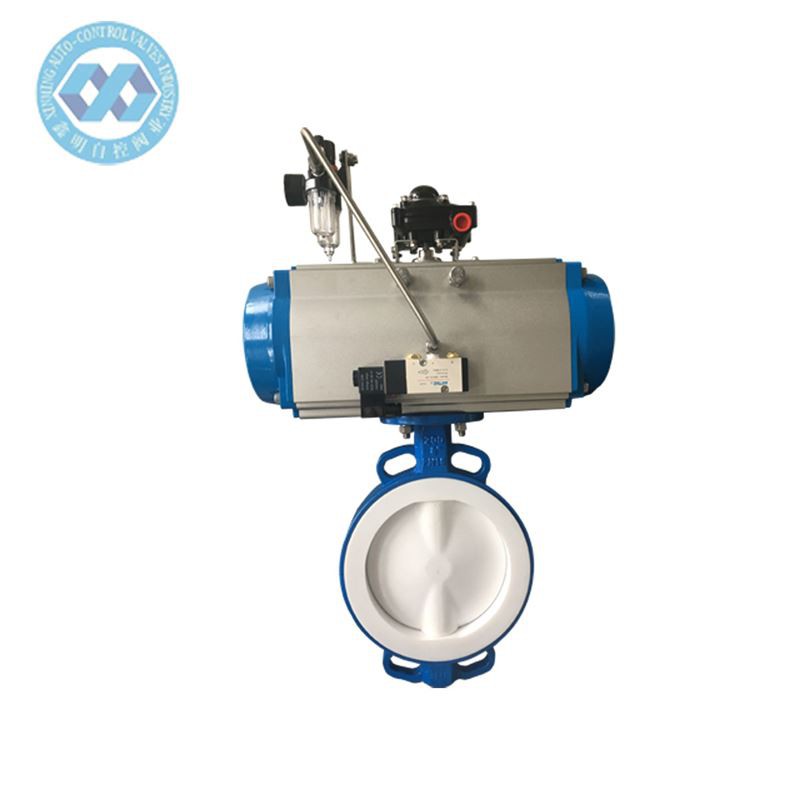
What Is a PTFE Butterfly Valve?
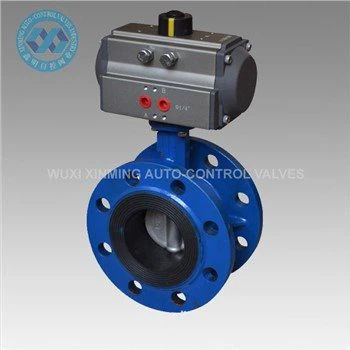
A PTFE butterfly valve is a type of quarter-turn valve in which the sealing surface or the entire inner flow path is lined with PTFE. The disc rotates 90 degrees from fully open to fully closed, allowing efficient flow regulation with minimal torque.
PTFE material is widely known for its:
-
High temperature resistance
-
Excellent chemical inertness
-
Extremely low coefficient of friction
-
Outstanding non-stick and anti-adhesive properties
-
Prevention of metal-medium contact
Due to these characteristics, PTFE butterfly valves perform reliably where standard rubber-lined valves would fail.
Key Features and Advantages of PTFE Butterfly Valves
✔ Superior Chemical Resistance
PTFE withstands strong acids, alkalis, solvents, chlorine, and various corrosive gases, ensuring long-term durability in aggressive media pipelines.
✔ High Temperature Capabilities
Most PTFE seated butterfly valves operate safely within –40°C to +200°C (–40°F to 392°F) depending on pressure and design.
✔ Low Friction & Smooth Operation
The anti-adhesive PTFE surface provides low operating torque, reduces wear, and ensures clean, consistent sealing.
✔ Non-Contaminating Material
PTFE does not leach contaminants, making it ideal for high-purity production and sensitive media transfer.
✔ Cost-Efficient Alternative to Exotic Alloys
Instead of expensive titanium or Hastelloy valves, PTFE butterfly valves provide comparable corrosion protection at lower cost.
PTFE Butterfly Valve Design & Construction
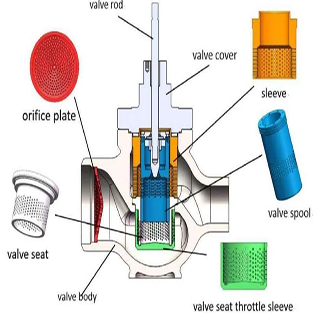
A typical PTFE butterfly valve consists of:
| Component | Material Option | Function |
|---|---|---|
| Valve Body | Cast iron, ductile iron, stainless steel | Provides support and structural strength |
| Disc | Stainless steel, PTFE-coated disc | Controls flow by rotation |
| Seat/Liner | PTFE (full PTFE or reinforced PTFE) | Offers chemical-resistant sealing |
| Stem/Shaft | SS304 / SS316 / Alloy steel | Transfers actuation torque |
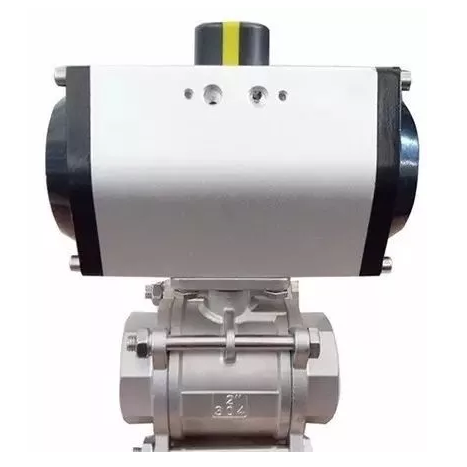
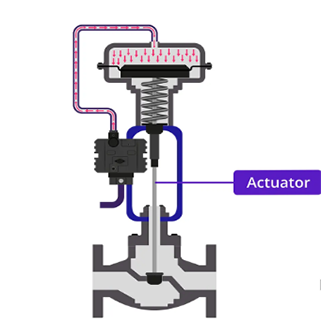
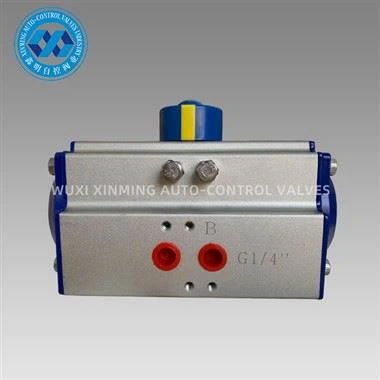
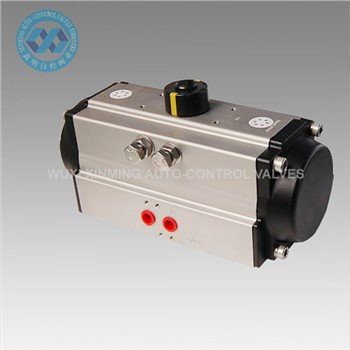
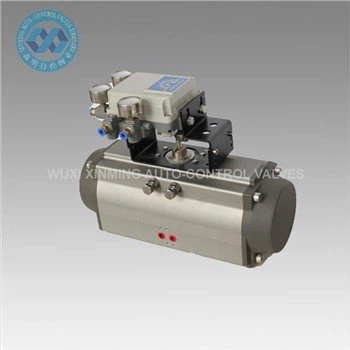
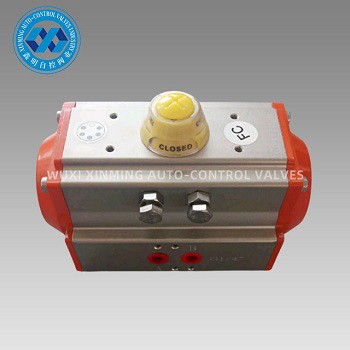
| Actuator | Manual, pneumatic, electric | Enables remote or automated operation |
Some products are designed as fully PTFE-lined butterfly valves, where both the disc and inner bore are encapsulated, delivering maximum media isolation.
Applications of PTFE Butterfly Valves
PTFE butterfly valves are widely used in processing systems that require high resistance to chemical attack and minimal product contamination.
Common Applications Include:
-
Chlor-alkali industry and acid production
-
Chemical solvent pipelines and pharma reactors
-
Ultra-pure water and deionized water systems
-
Food and beverage manufacturing with CIP/SIP cleaning
-
Pulp and paper bleaching lines
-
Wastewater treatment involving corrosive effluent
-
Semiconductor and electronics processing
Whether handling hydrochloric acid, sodium hypochlorite, ammonia, or high-purity chemicals, a PTFE butterfly valve ensures stable operation and extended service life.
How to Select the Right PTFE Butterfly Valve
Before purchasing, evaluate the following factors:
-
Chemical compatibility & media concentration
-
Working temperature and pressure range
-
Level of purity required in the pipeline
-
Connection style: wafer, lug, or flanged ends
-
Actuation method: lever, gear, pneumatic, electric
-
Full-lined or seat-only PTFE structure
Selecting the correct configuration ensures efficient performance and reduces maintenance costs over time.
Conclusion
A PTFE butterfly valve offers outstanding resistance to chemical corrosion, high temperature stability, and smooth sealing performance — making it one of the most reliable control options in harsh and purity-critical industrial environments. With broad applications across chemical, pharmaceutical, water treatment, and food-grade systems, PTFE butterfly valves continue to provide long-lasting, safe, and cost-effective flow regulation solutions.
If you want to learn more about low-priced products, please visit the following website: www.xm-valveactuator.com