A floating ball valve is one of the most widely used valve types in modern industrial fluid control systems. Known for its simple structure, reliable sealing, and excellent operational performance, a floating ball valve plays a key role in pipelines carrying water, oil, gas, steam, and corrosive media. As industries demand more efficient and safe flow control solutions, floating ball valves continue to stand out due to their affordability, ease of maintenance, and adaptability to high-pressure and high-temperature environments.
What Is a Floating Ball Valve?
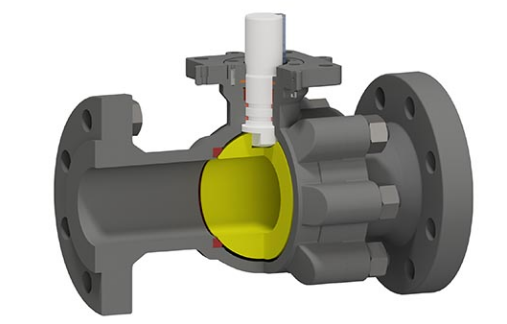
A floating ball valve features a movable ball inside the valve body. Unlike a trunnion ball valve—where the ball is fixed and supported by bearings—the floating ball valve allows the ball to move toward the downstream seat under fluid pressure. This movement enables automatic sealing when the valve is in the closed position, ensuring tight shutoff even under low pressure.
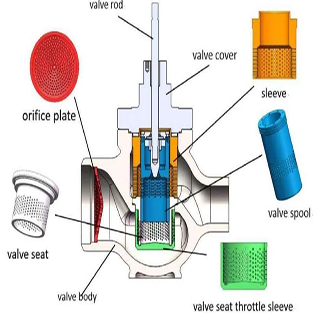
Key components include:
-
Valve body
-
Floating ball
-
Valve stem
-
Seats (typically PTFE or other soft materials)
-
Seals and stem packing
-
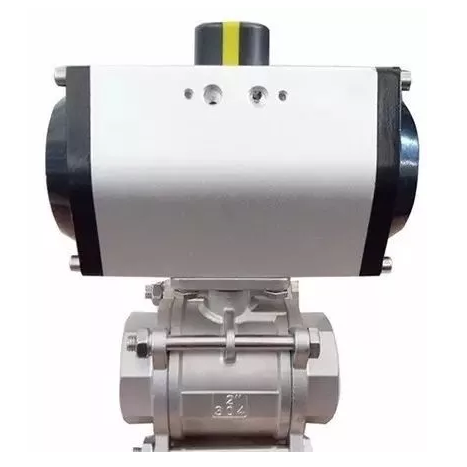
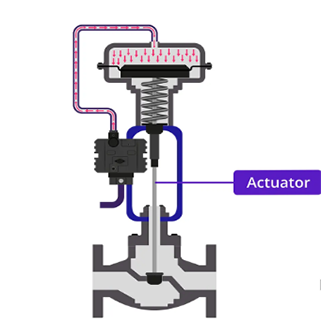
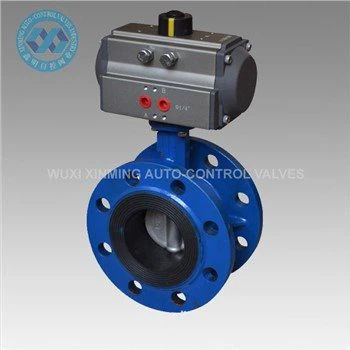
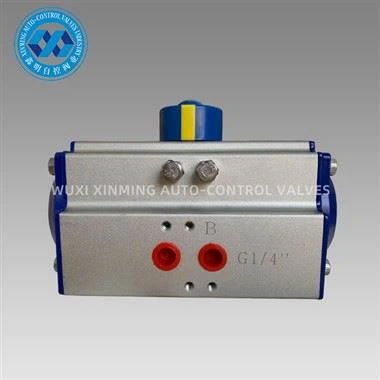
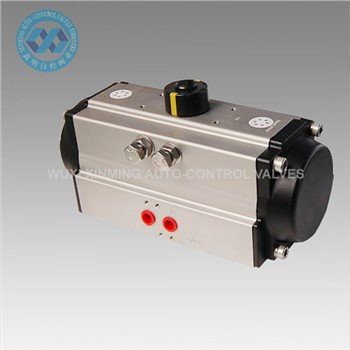
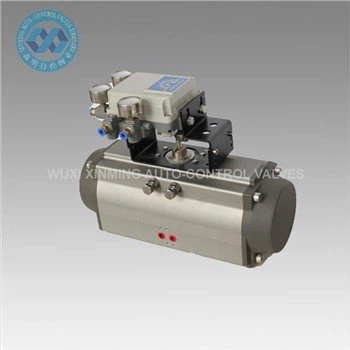
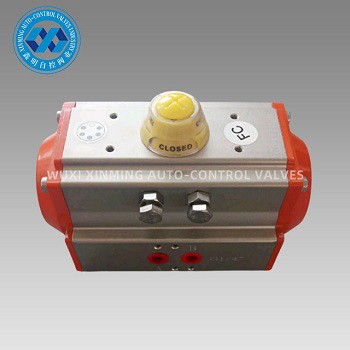
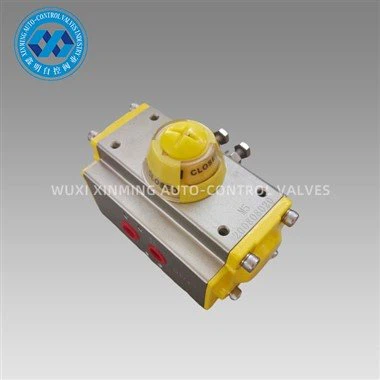
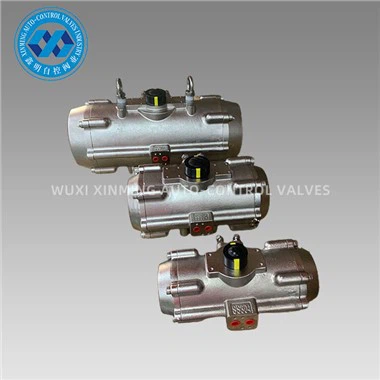
Handle or actuator (manual, electric, or pneumatic options)
Because of its simple mechanical design, the floating ball valve is easy to operate, install, and maintain, making it a preferred choice for both on-off and throttling applications.
How a Floating Ball Valve Works
The working principle of a floating ball valve is based on pressure-assisted sealing:
-
When the valve is opened, the ball aligns with the flow direction, allowing fluid to pass through freely with minimal pressure drop.
-
When closed, the handle or actuator rotates the ball 90°, positioning the solid side of the ball against the valve seat.
-
Pipeline pressure pushes the floating ball toward the downstream seat, achieving a bubble-tight seal.
This self-sealing mechanism ensures efficient shutoff and prevents leakage, even in challenging pipeline conditions. Floating ball valves are particularly advantageous in medium-sized pipelines with moderate pressure levels.
Advantages of Floating Ball Valves
Choosing a floating ball valve brings several operational benefits:
| Feature | Benefit |
|---|---|
| Simple structure | Easy to operate and maintain |
| Soft-seat sealing | Ensures tight shutoff with zero leakage |
| Wide application range | Suitable for water, oil, gas, chemicals, and steam |
| Quick opening/closing | Only 90° rotation required |
| Cost-effective | Lower price compared to trunnion ball valves |
Because of these advantages, floating ball valves remain a top choice in industries requiring reliable flow control with minimal maintenance downtime.
Common Materials for Floating Ball Valves
To suit different industrial environments, floating ball valves can be manufactured using various materials:
-
Stainless steel (304/316) – corrosion-resistant and suitable for chemicals and seawater
-
Carbon steel – durable and ideal for high-pressure pipelines
-
Brass – cost-effective and used in general water systems
-
PVC/CPVC/UPVC – lightweight and resistant to corrosive media
-
PTFE/RTFE seats – provide low friction and excellent sealing performance
Material selection depends on the fluid type, working temperature, pipeline pressure, and environmental factors.
Applications of Floating Ball Valves
The versatility of floating ball valves enables wide adoption across global industries. Key applications include:
-
Oil and gas production and distribution
-
Chemical and petrochemical processing
-
Water treatment and desalination plants
-
HVAC and industrial heating systems
-
Marine and offshore engineering
-
Food, beverage, and pharmaceutical manufacturing
-
Power generation systems
Whether used in high-pressure steam lines, corrosive chemical pipelines, or clean water networks, floating ball valves ensure stable, leak-free performance.
Floating Ball Valve vs Trunnion Ball Valve
| Feature | Floating Ball Valve | Trunnion Ball Valve |
|---|---|---|
| Ball movement | Free-floating | Fixed by trunnion support |
| Suitable pressure level | Low–medium | Medium–high |
| Cost | Lower | Higher |
| Application | General pipelines | High-pressure, large-diameter systems |
Understanding the differences helps engineers select the correct valve type for system efficiency and cost control.
Conclusion
A floating ball valve is a highly efficient and dependable flow control solution widely used in industrial and commercial pipelines. With its simple structure, excellent sealing capability, and economical cost, it meets the needs of fluid isolation in water, oil, gas, and chemical applications. Proper material selection, regular maintenance, and correct installation ensure long-term reliability and system stability.
If you want to learn more about low-priced products, please visit the following website: www.xm-valveactuator.com