A trunnion ball valve is a high-performance quarter-turn valve designed for large-diameter and high-pressure pipelines. Compared with a floating ball valve, a trunnion ball valve features a fixed ball supported by trunnions, reducing operating torque and enabling reliable sealing under extreme pressure conditions. Its robust design, outstanding fire-safe performance, and excellent sealing capability make it one of the most important valve types in oil & gas production, petrochemical refining, and critical industrial flow control systems.

What Is a Trunnion Ball Valve?
A trunnion ball valve consists of a spherical ball mounted on trunnions — upper and lower shafts that hold the ball firmly in place during operation. Instead of relying on fluid pressure to press the ball against the downstream seat, trunnion-mounted ball valves are supported at both ends, which allows the valve seats to move toward the ball to achieve sealing.
Key Components of a Trunnion Ball Valve:
-
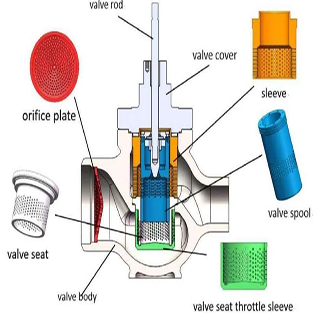
Valve body (typically cast or forged steel)
-
Trunnion-supported ball
-
Spring-loaded seats
-
Stem and stem packing
-
Bearings and seals
-
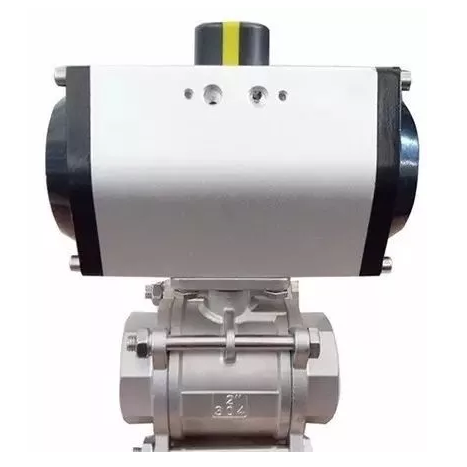
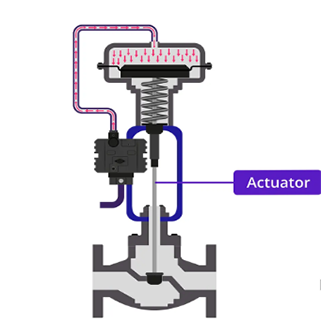
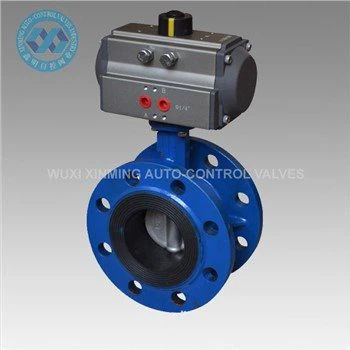
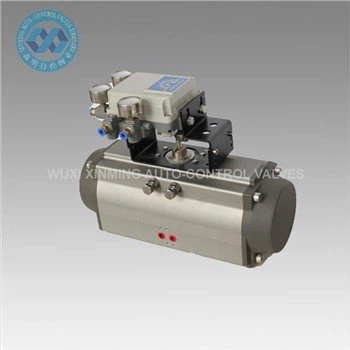
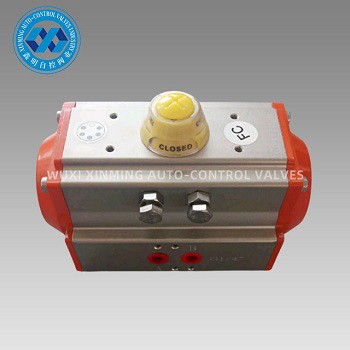
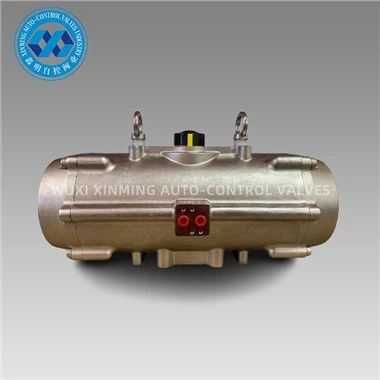
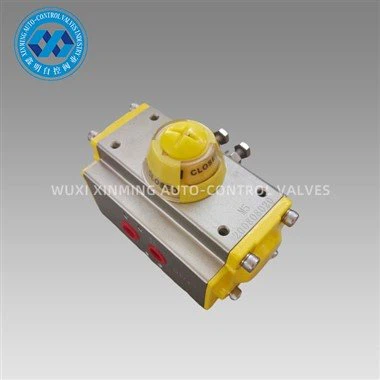
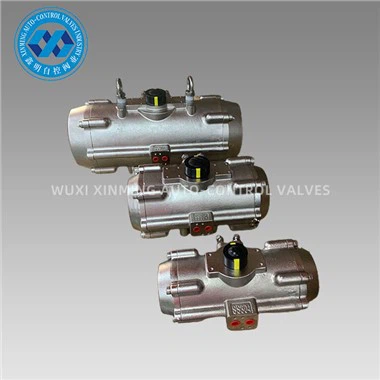
Actuation options: manual, pneumatic, electric, hydraulic
Because the ball is fixed, torque requirements are significantly lower, making the trunnion ball valve an excellent choice for automated control systems.
How Does a Trunnion Ball Valve Work?
The working mechanism of a trunnion ball valve involves a fixed ball and a self-energizing seat design:
-
The ball is anchored by trunnions at the top and bottom, preventing axial movement.
-
When the valve opens, the ball rotates 90° to align with the flow direction, allowing medium to pass.
-
When closed, the seat is pushed toward the ball by springs or differential pressure, ensuring a tight seal.
-
Low torque is required because the ball does not press directly against the seat.
This design ensures stable performance in high-pressure environments, minimizing wear and extending service life.
Features and Advantages of Trunnion Ball Valves
The trunnion ball valve offers several engineering benefits:
| Feature | Advantage |
|---|---|
| Trunnion-supported ball | Reduces torque and operational stress |
| Spring-loaded seats | Ensures reliable upstream and downstream sealing |
| Fire-safe design | Suitable for hazardous and high-temperature media |
| Low sealing wear | Longer lifespan and reduced maintenance costs |
| Supports automation | Works efficiently with actuators for remote control |
| Suitable for high-pressure applications | Ideal for petrochemical and natural gas systems |
These characteristics make trunnion-mounted ball valves a preferred solution in critical oil & gas infrastructure.
Materials and Design Variations
To handle different operating conditions, trunnion ball valves are manufactured using diverse materials and sealing configurations:
Common Body Materials
-
Carbon steel (WCB)
-
Stainless steel (304/316)
-
Duplex and super duplex stainless steel
-
Alloy steel for high-temperature service
Seat and Sealing Options
-
Soft seats (PTFE, RPTFE, PEEK) for chemical compatibility
-
Metal-to-metal seats for extreme pressure or abrasive media
-
Fire-safe seals compliant with API 607 / ISO 10497
Connection Types
-
Flanged (ASME/ANSI)
-
Threaded (NPT/BSP)
-
Butt weld & socket weld
Each configuration can be tailored based on pipeline pressure, fluid characteristics, and temperature rating.
Applications of Trunnion Ball Valves
Due to its durability and high sealing efficiency, the trunnion ball valve is widely used in:
-
Oil & gas transmission pipelines
-
Petrochemical processing units
-
Offshore drilling and subsea systems
-
LNG and cryogenic applications
-
Power generation and refinery systems
-
High-pressure steam and abrasive media handling
-
Chemical, pharmaceutical, and industrial plants
Wherever continuous operation and leak-free safety are critical, a trunnion-mounted ball valve offers peak performance and reliability.
Trunnion Ball Valve vs. Floating Ball Valve
Understanding the difference between trunnion ball valves and floating ball valves helps optimize valve selection:
| Item | Trunnion Ball Valve | Floating Ball Valve |
|---|---|---|
| Ball support | Fixed by trunnions | Floats and moves with pressure |
| Pressure rating | Medium–high to ultra-high | Low–medium |
| Torque requirement | Low | Higher |
| Ideal application | Large pipelines, heavy media | General fluid service |
| Cost | Higher | More economical |
Engineers typically select trunnion-mounted valves for demanding operational environments requiring superior reliability.
Conclusion
A trunnion ball valve is a durable, high-precision valve engineered to deliver bubble-tight shutoff in high-pressure industrial systems. With a fixed ball, spring-loaded seats, and reduced operational torque, it offers outstanding performance in oil & gas, petrochemical refining, power generation, and demanding process environments. Its longevity, safety certification, and automation compatibility make it one of the most essential flow control components in global energy infrastructure.
If you want to learn more about low-priced products, please visit the following website: www.xm-valveactuator.com