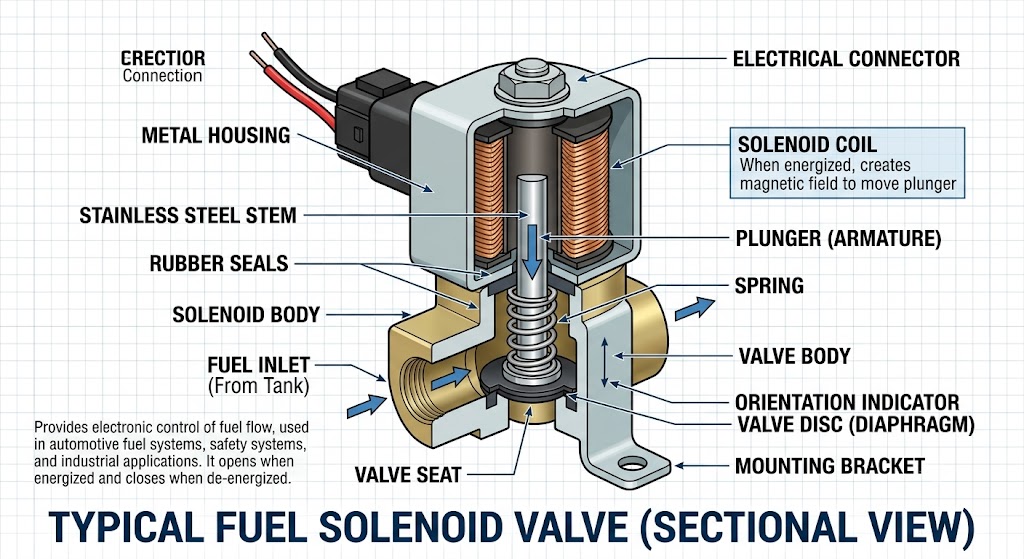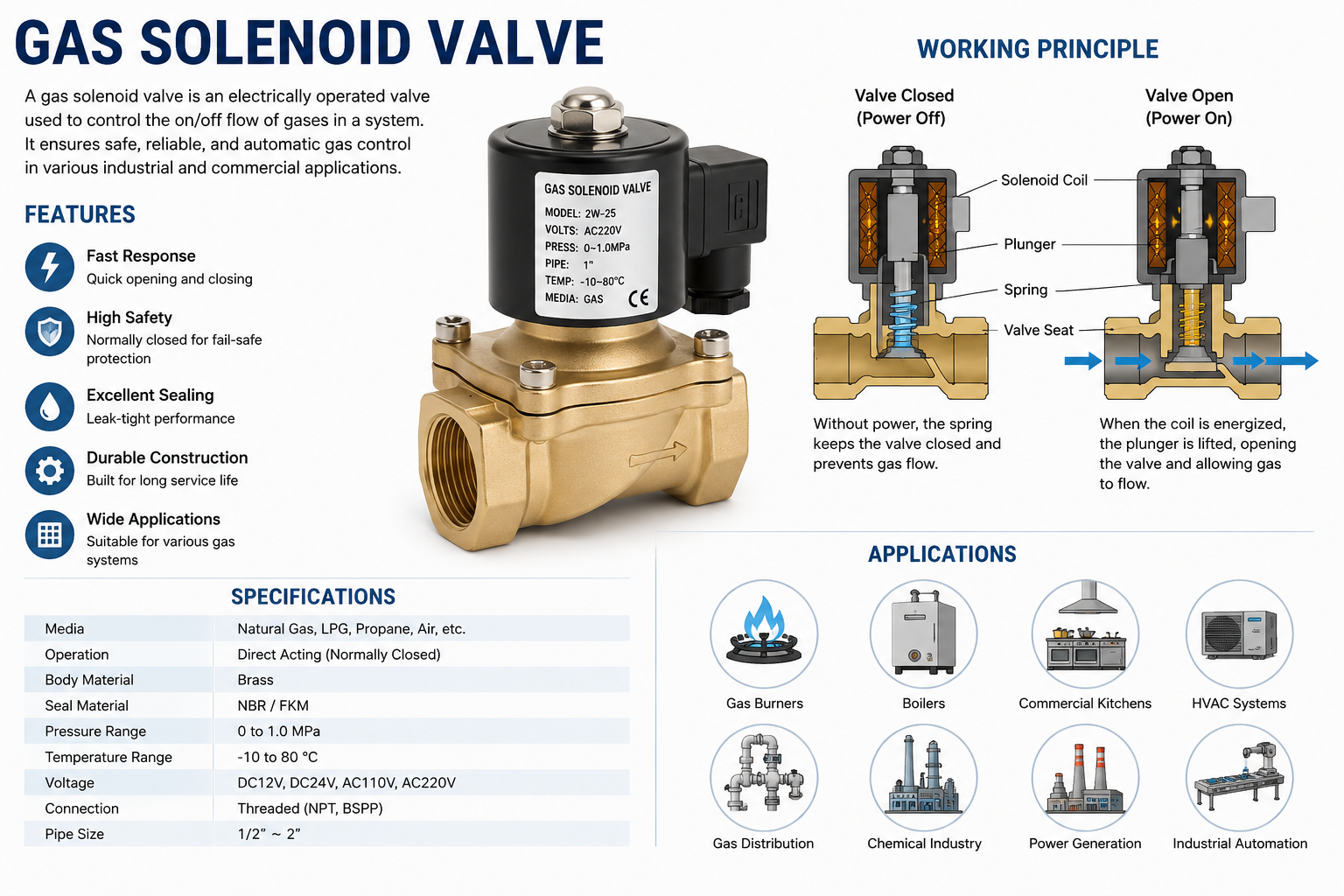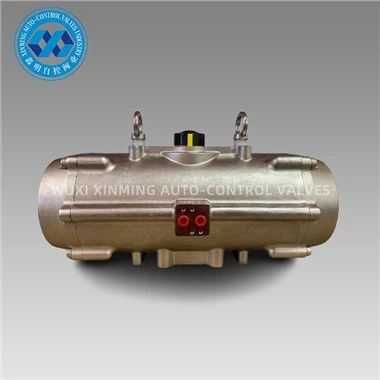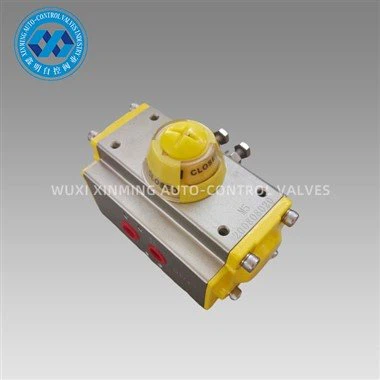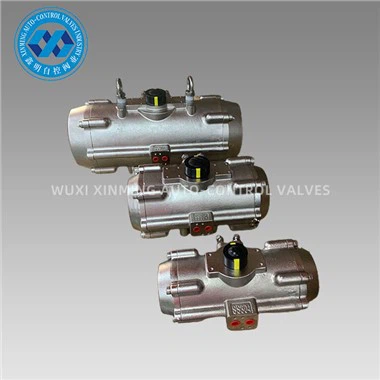
In the world of industrial valve automation, choosing the right mechanism can mean the difference between seamless operation and frequent system failures. Among the various types of pneumatic and hydraulic actuators, the Scotch Yoke actuator stands out as the powerhouse for heavy-duty applications.
But what exactly is a Scotch Yoke actuator, and why is it the preferred choice for large-scale ball and butterfly valves? This guide explores its design, working principle, and unique advantages.
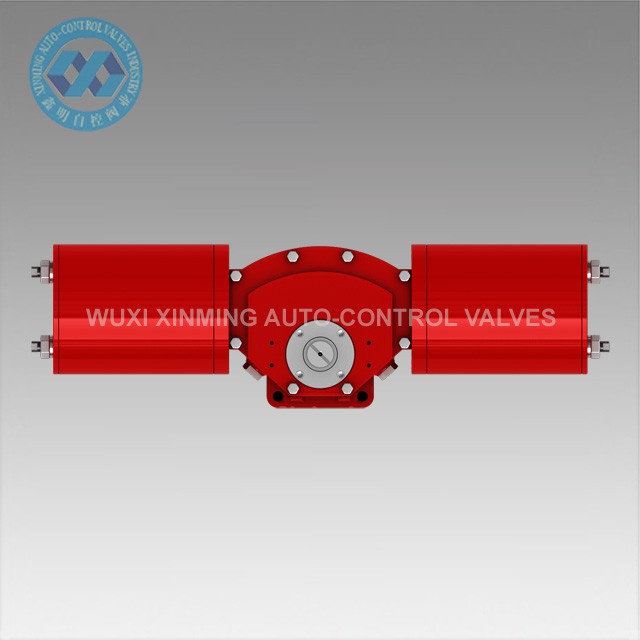
Understanding the Scotch Yoke Mechanism
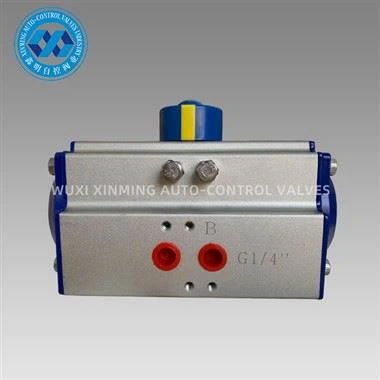
A Scotch Yoke actuator is a reciprocating motion mechanism used to convert the linear motion of a piston into the rotational motion required to operate a valve.
Unlike the more common Rack and Pinion actuator, which provides a constant torque output, the Scotch Yoke is specifically engineered to produce a variable torque curve. This makes it exceptionally efficient for valves that require high "breakout" torque to open or close.
How It Works: The Mechanical Principle
The heart of the actuator is the "yoke"—a metal component with a linear slot.
- Linear Input: Compressed air or hydraulic fluid pushes a piston connected to a rod.
- The Sliding Pin: At the end of the rod is a pin (or roller) that sits inside the slot of the yoke.
- Rotational Output: As the piston moves linearly, the pin slides along the slot, forcing the yoke to rotate. This rotation turns the valve stem, typically across a 90-degree (quarter-turn) stroke.
The Torque Curve: Why Design Matters
The most significant feature of a Scotch Yoke actuator is its U-shaped torque output.
- Start of Stroke (High Torque): When the valve is fully closed, the mechanical advantage of the yoke is at its highest. This provides the "breakaway torque" needed to unseat a valve plug or ball.
- Mid-Stroke (Lower Torque): As the valve moves toward the 45-degree position, the torque requirement typically drops, and so does the actuator's output.
- End of Stroke (High Torque): As the valve reaches the fully open or fully closed position, the torque increases again, ensuring a tight, reliable seal.
| Feature | Scotch Yoke Actuator | Rack and Pinion Actuator |
|---|---|---|
| Torque Output | Variable (U-shaped curve) | Constant/Linear |
| Primary Use | Large, high-pressure valves | Small to medium-sized valves |
| Size/Weight | Larger and heavier | Compact and lightweight |
| Cycle Life | Extremely durable for heavy loads | High cycle speed, medium loads |
Key Benefits of Scotch Yoke Actuators
1. Superior Efficiency for Large Valves
Because the torque curve matches the natural requirements of ball and butterfly valves, these actuators can often be smaller than a Rack and Pinion equivalent would need to be to achieve the same "breakout" force.
2. High Breakout Torque
Industrial valves often become "stuck" after sitting in one position for a long time. The Scotch Yoke design provides maximum force exactly when it's needed most—at the very beginning of the cycle.
3. Durability and Long Service Life
With fewer moving parts than complex gear systems and a robust construction, Scotch Yoke actuators are designed for harsh environments, such as oil and gas platforms, chemical processing, and water treatment plants.
4. Safety Options (Spring Return)
They are available in both Double Acting and Spring Return (Symmetric or Canted) configurations. The spring-return version ensures that if power or air pressure is lost, the valve will automatically fail-safe to a closed or open position.
Common Applications
Scotch Yoke actuators are the industry standard for Heavy-Duty (HD) automation. You will typically find them in:
- Oil & Gas Pipelines: Operating large-diameter ball valves.
- Power Plants: Controlling high-pressure steam and water flow.
- Mining & Slurry: Handling abrasive media where high seating force is required.
- Marine & Offshore: Where corrosion resistance and reliability are critical.
Conclusion
The Scotch Yoke actuator is the "heavy lifter" of the valve world. By utilizing a simple yet effective mechanical design to provide high torque where it matters most, it ensures the safety and efficiency of critical industrial processes.
When selecting an actuator for your next project, consider the valve's torque requirements throughout the entire stroke. If you are dealing with large-scale infrastructure or high-pressure systems, the Scotch Yoke is likely your most reliable choice.