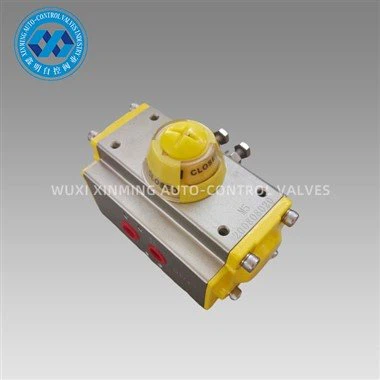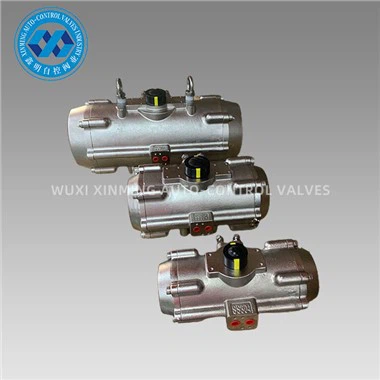
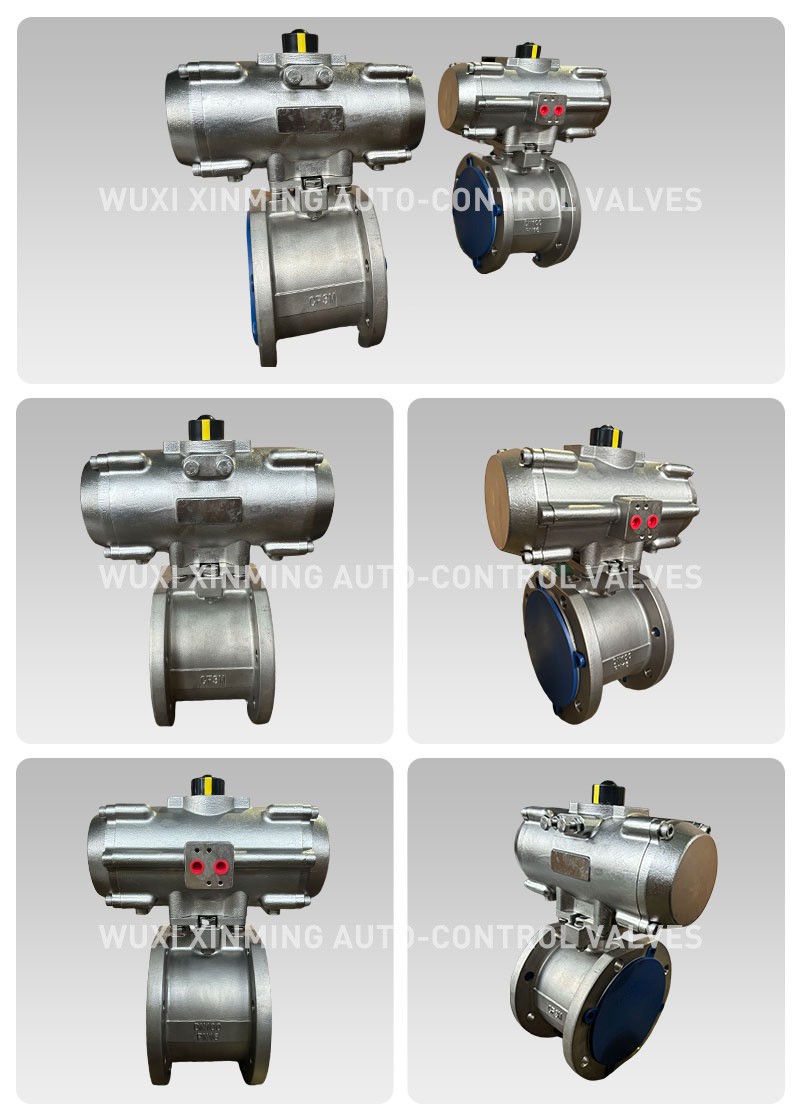
Wafer ball valves are a cornerstone of modern fluid management systems, prized for their space-saving design and reliable performance across industries. Unlike traditional flanged valves that require separate gaskets and bolts for each connection, wafer valves clamp directly between pipeline flanges, reducing installation time and material costs. This article explores their mechanics, applications, and why they’re becoming the go-to choice for engineers worldwide.
What Is a Wafer Ball Valve?
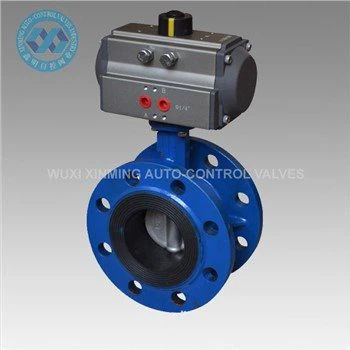
A wafer ball valve is a quarter-turn valve where the spherical closure element (ball) rotates 90° to control flow. Its defining feature is the wafer-style body—thin, lightweight, and designed to fit between two pipeline flanges without needing full-face bolting. This compact profile makes it ideal for tight spaces, such as skid-mounted systems or retrofitting existing lines.
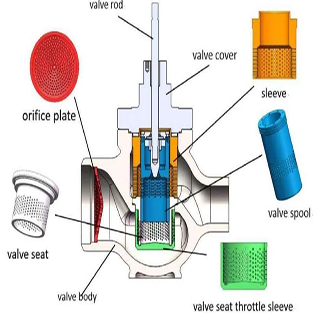
Core Components
- Body: Thin, circular design with minimal protrusion beyond flange bolts.
- Ball: Hollow sphere with a central bore; rotates to align (open) or block (closed) the flow path.
- Seats: Soft (PTFE, PEEK) or metal seals that press against the ball to prevent leakage.
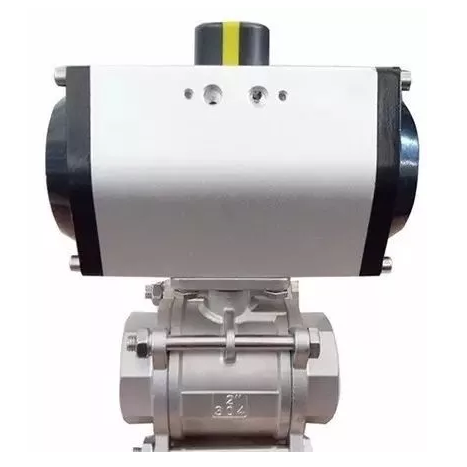
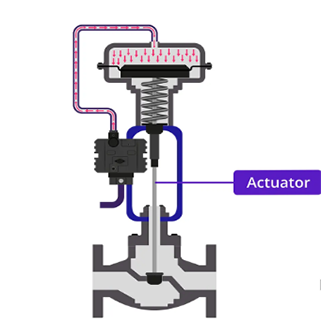
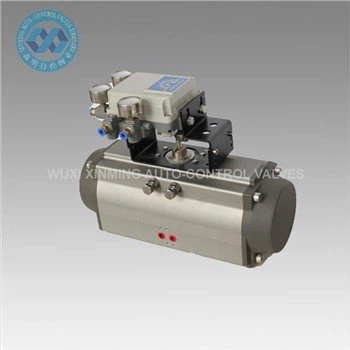
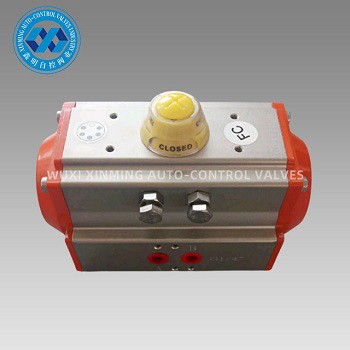
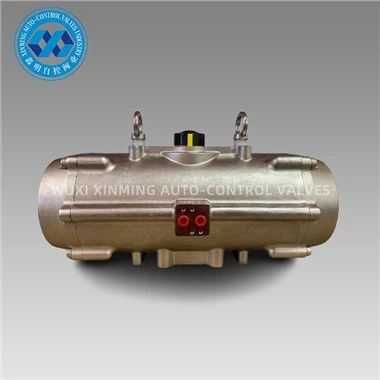
- Stem: Connects the ball to the actuator (manual handle, electric motor, or pneumatic cylinder).
- Gaskets: Integrated or separate seals between the valve and flanges to ensure a tight fit.
How Does It Work?
The operation is straightforward:
- Open Position: The ball’s bore aligns with the pipeline, allowing unobstructed flow (lowest possible pressure drop).
- Closed Position: Rotating the stem 90° turns the ball perpendicular to the flow, with the solid part of the ball blocking the passage.
- Sealing Mechanism: In most designs, the valve seats are spring-loaded or pressure-energized, ensuring the ball presses tightly against the seats even under fluctuating pressure.
Types of Wafer Ball Valves
Wafer valves are categorized by their sealing and operational features:
| Type | Key Features | Best For |
|---|---|---|
| Soft-Seated | PTFE or rubber seats; bubble-tight seal (≤10⁻⁶ mL/s leakage). | Water, oil, gas (clean, non-abrasive media). |
| Metal-Seated | Stainless steel or alloy seats; withstands high temperatures (up to 600°C) and abrasion. | Steam, slurry, or corrosive chemicals. |
| Floating Ball | Ball is not fixed; media pressure pushes it against the downstream seat for sealing. | Low-to-medium pressure (≤10 MPa). |
| Trunnion-Mounted | Ball is anchored by upper/lower trunnions; reduces friction for high-pressure applications. | Oil & gas pipelines, offshore platforms. |
Where Are Wafer Ball Valves Used?
Their versatility shines in these industries:
- Oil & Gas: Wellhead control, gathering lines, and processing plants (especially for sour gas with NACE-compliant materials).
- Chemical Processing: Handling acids, solvents, and polymers—soft-seated valves prevent contamination.
- HVAC & Water Treatment: Chilled water loops, boiler feed lines, and reverse osmosis systems (compact design fits in mechanical rooms).
- Food & Beverage: Sanitary applications (3A-certified models with PTFE seats for easy cleaning).
- Power Generation: Cooling water circuits and auxiliary systems where space is limited.
Real-World Example
In a refinery’s catalytic cracking unit, wafer ball valves control the flow of hot catalyst slurry. Their metal seats resist abrasion, while the compact body fits between heat exchangers and pumps without disrupting the layout.
Key Advantages Over Traditional Valves
- Space & Weight Savings: Up to 50% lighter than flanged valves; critical for mobile equipment or offshore platforms.
- Lower Installation Costs: Fewer bolts and gaskets reduce labor time—ideal for large-scale projects.
- Minimal Pressure Drop: Full-bore design ensures flow efficiency, saving energy in long pipelines.
- Reliable Sealing: Soft seats offer zero leakage for clean media; metal seats handle extreme conditions.
- Easy Maintenance: Most models have a split-body design, allowing seat replacement without removing the valve from the line.
Maintenance Tips for Longevity
- Lubrication: Apply food-grade grease to the stem and seats every 6 months (more frequently for high-cycle applications).
- Inspection: Check for leaks around the flanges and stem; replace gaskets if worn.
- Avoid Over-Torque: Use a torque wrench to prevent damaging the seats when closing the valve.
- Cleaning: For sanitary applications, disassemble and sanitize seats/ball with approved cleaners (e.g., peracetic acid).
Choosing the Right Wafer Ball Valve
When selecting a valve, consider:
- Media: Corrosive? Choose Hastelloy or Monel bodies. Abrasive? Opt for metal seats.
- Pressure/Temperature: Soft seats work up to 200°C; metal seats handle up to 600°C.
- Actuation: Manual for infrequent use; electric/pneumatic for remote or automated systems.
Final Thoughts
Wafer ball valves prove that bigger isn’t always better. Their compact design, reliable performance, and cost-effectiveness make them a staple in modern engineering. Whether you’re building a new plant or upgrading an old one, this valve type delivers efficiency without compromising on safety.
For more insights on valve selection, follow our blog or contact our engineering team for custom solutions.
If you want to learn more about low-priced products, please visit the following website: www.xm-valveactuator.com