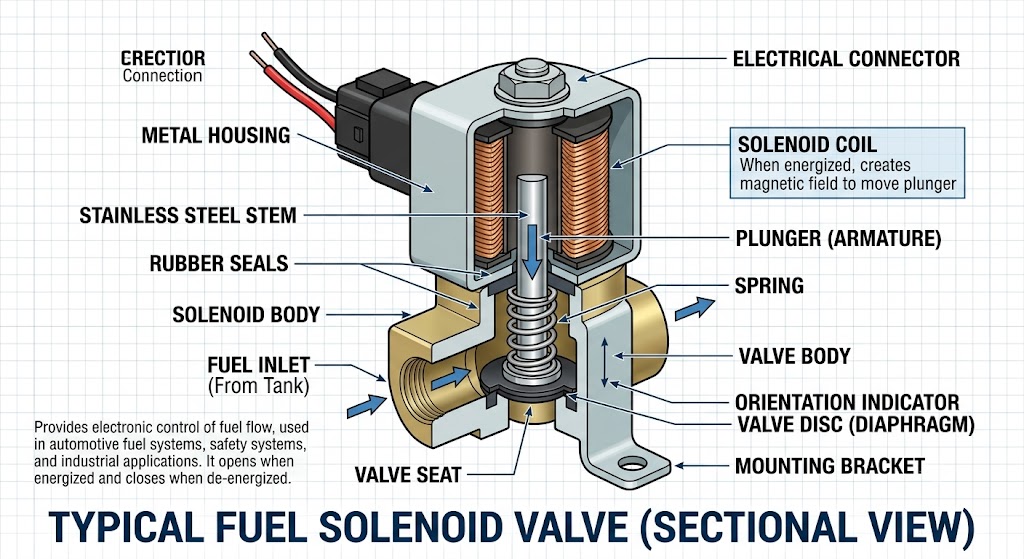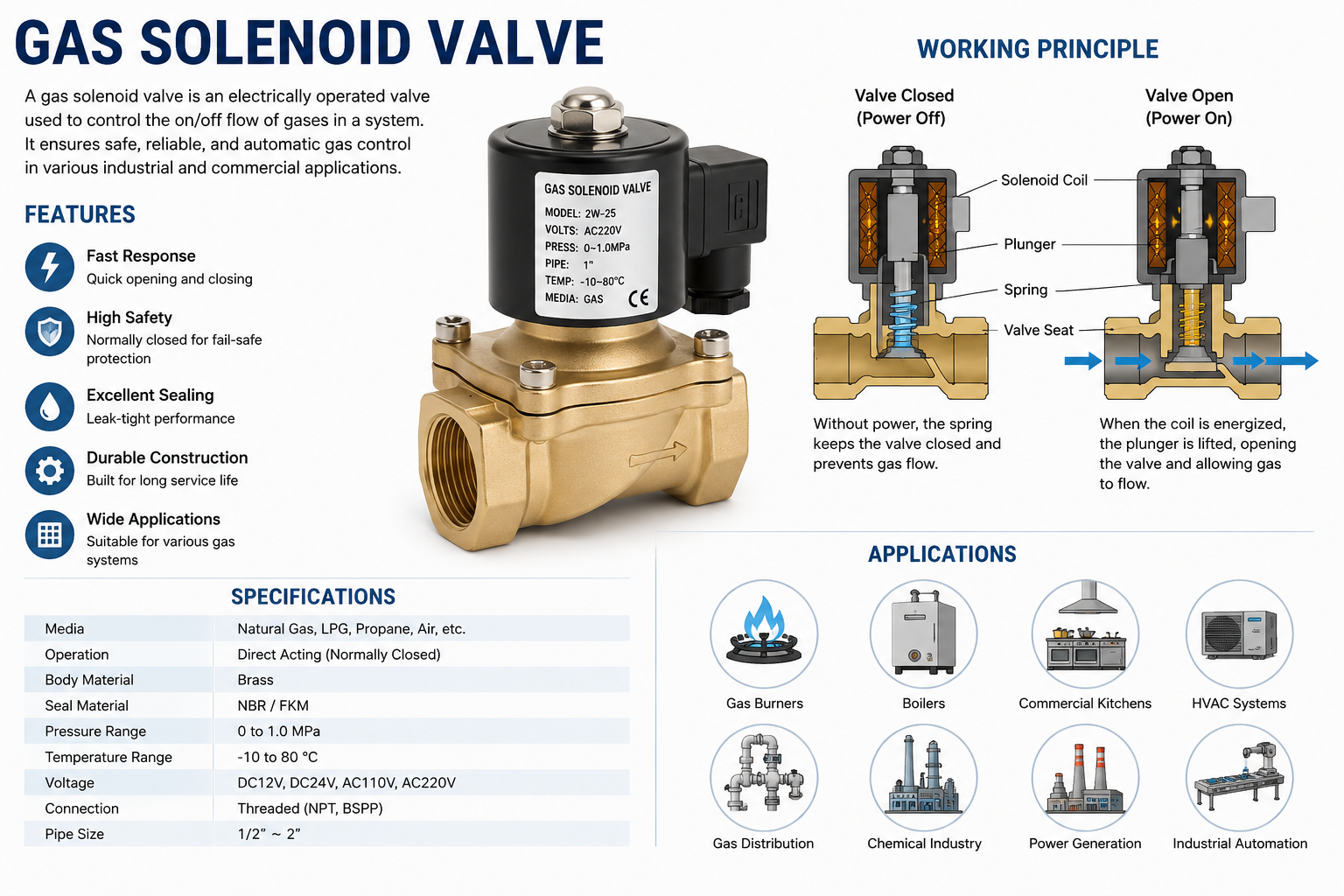
This technical overview explores the critical role of the Exhaust Valve Control Solenoid within modern internal combustion engines, focusing on its integration with Variable Valve Timing (VVT) systems and the diagnostic frameworks used to identify failures.
1. Role and Functionality
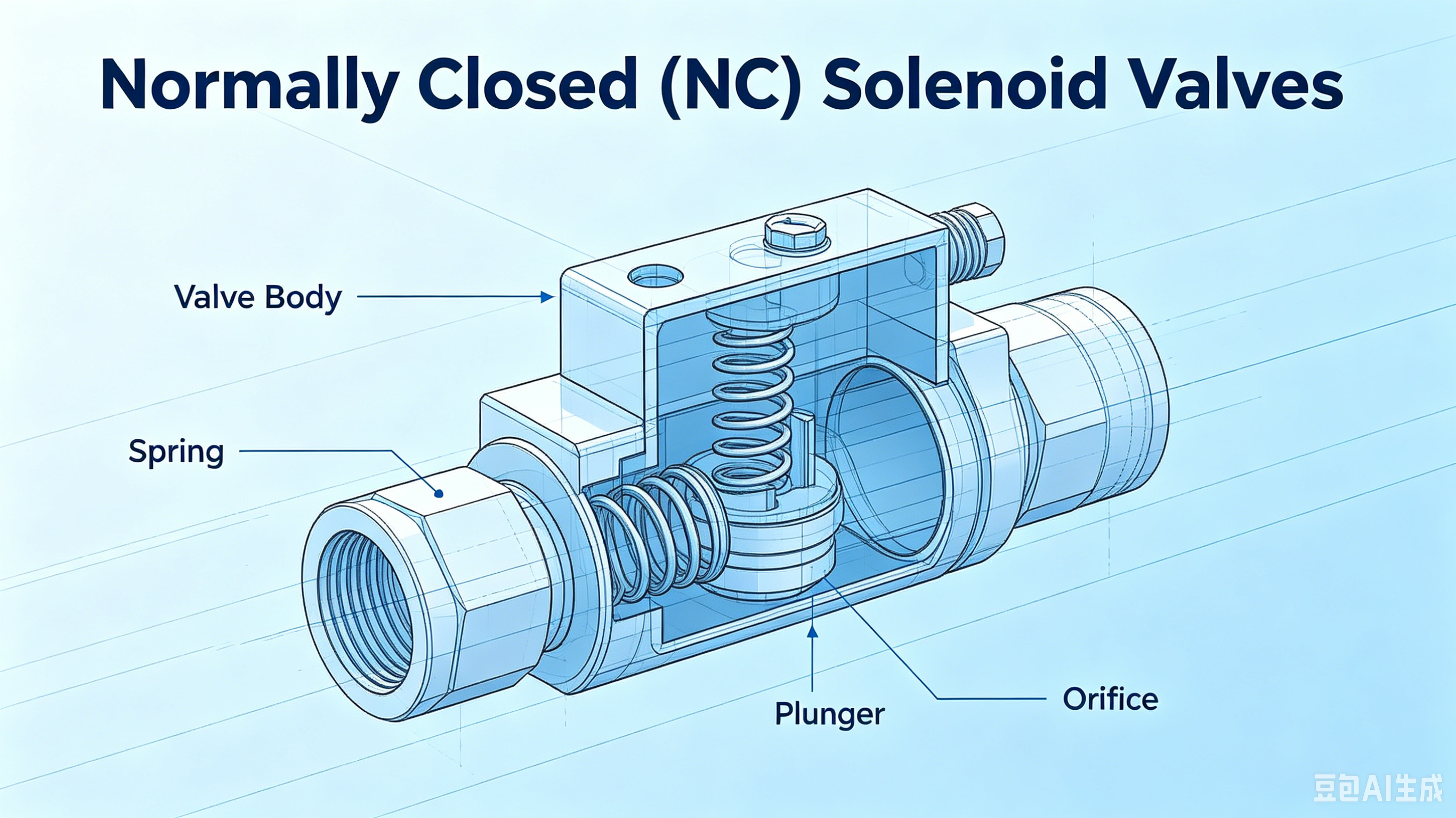
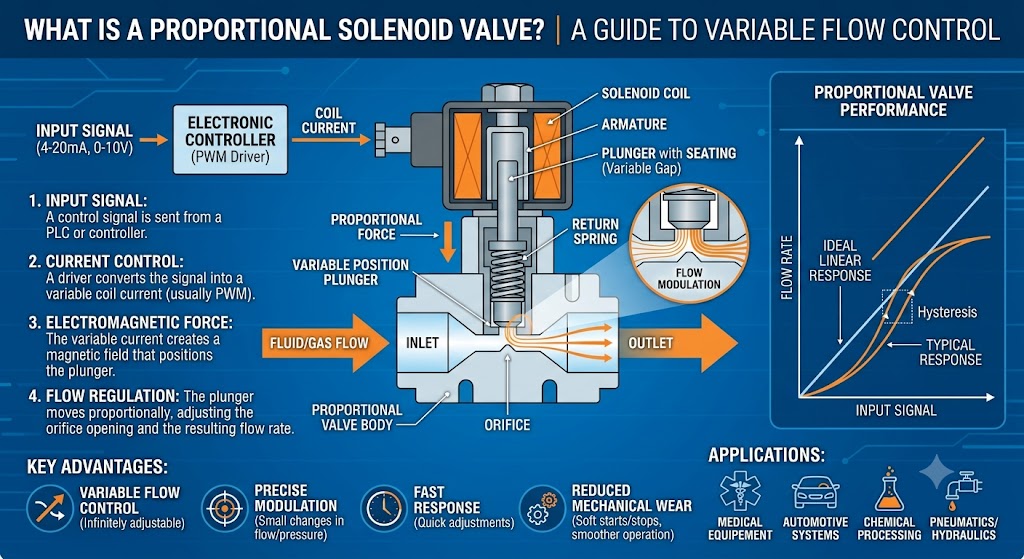
The exhaust valve control solenoid is an electro-hydraulic actuator managed by the Engine Control Module (ECM). Its primary purpose is to regulate the flow of pressurized engine oil to the camshaft phasers. By adjusting the timing of the exhaust valves, the engine can optimize performance across various RPM ranges.
How it Works:
-
Low RPM: The solenoid remains in a position that retards or advances timing to ensure a smooth idle and reduced emissions.
-
High RPM: The ECM sends a Pulse Width Modulation (PWM) signal to the solenoid, opening the oil passage. This pressure shifts the camshaft position, allowing the engine to "breathe" more efficiently, enhancing power output.
2. Common Diagnostic Trouble Codes (DTCs)
When the ECM detects that the camshaft position does not match the commanded target, or if it senses an electrical circuit fault, it triggers the Check Engine Light and stores specific DTCs.
| Code | Description | Potential Meaning |
|---|---|---|
| P0013 | Exhaust Camshaft Position Actuator Circuit (Bank 1) | Typically indicates an open or short circuit in the solenoid wiring. |
| P0014 | Exhaust Camshaft Position Timing - Over-Advanced | The camshaft is advanced beyond the ECM's limit, often due to a stuck solenoid. |
| P0015 | Exhaust Camshaft Position Timing - Over-Retarded | The timing is lagging, often caused by low oil pressure or sludge buildup. |
| P0017 | Crankshaft Position - Camshaft Position Correlation | The ECM sees a misalignment between the crank and the exhaust cam. |
3. Symptoms of a Failing Solenoid
A malfunctioning solenoid rarely goes unnoticed. Because it sits at the intersection of mechanical hardware and electronic control, the symptoms are often felt immediately:
-
Rough Idling: The engine may stumble or stall at stoplights because the timing is "stuck" in a high-speed configuration.
-
Decreased Fuel Economy: Improper valve overlap leads to inefficient combustion.
-
Engine Hesitation: A delay in power delivery when accelerating.
-
Increased Emissions: Failed solenoids are a common reason for failing a smog or emissions test.
4. Root Causes and Troubleshooting
While it is tempting to simply replace the solenoid, the issue is often systemic.
Note: Modern VVT systems are incredibly sensitive to oil quality. Before replacing hardware, always check the oil level and cleanliness.
Key Areas to Inspect:
-
Oil Contamination: Since the solenoid uses engine oil as hydraulic fluid, sludge or debris can clog the fine mesh screens of the actuator.
-
Electrical Resistance: Using a multimeter, technicians should check the internal resistance of the solenoid. If it is "open" (infinite resistance), the internal coil has failed.
-
Connector Corrosion: Because solenoids are often located near the top of the cylinder head, they are exposed to heat cycles and potential moisture, leading to brittle wiring or corroded pins.
5. Summary
The exhaust valve control solenoid is a small component with a massive impact on engine efficiency. Maintaining clean oil and ensuring the electrical integrity of the VVT circuit are the best defenses against the dreaded "P0014" or "P0015" codes. If you find yourself staring at these codes, remember: start with the oil, then the wiring, and only then reach for the new part.
If you want to learn more about low-priced products, please visit the following website: www.xm-valveactuator.com