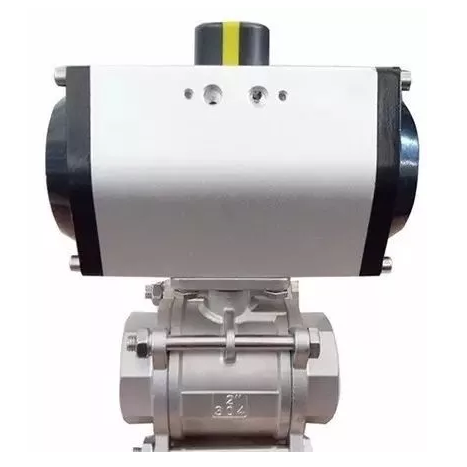
In the complex dance of internal combustion, the Exhaust Gas Recirculation (EGR) system plays a lead role in reducing environmental impact. While the EGR valve is the physical gatekeeper of exhaust flow, the EGR Vacuum Solenoid is the "brain" that dictates exactly when that gate opens.
Understanding the relationship between the solenoid and the valve is crucial for diagnosing performance issues, passing emissions tests, and maintaining engine longevity.
1. What is EGR Valve Control?
The primary purpose of an EGR system is to lower Nitrogen Oxide (NOx) emissions. It achieves this by recirculating a small portion of spent exhaust gas back into the engine's combustion chambers. Since exhaust gas is inert, it lowers the combustion temperature, preventing the formation of NOx.
The Two Core Components:
-
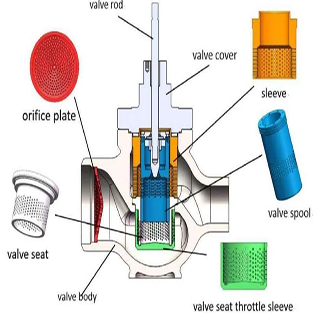
The EGR Valve: A mechanical valve that opens to allow exhaust gas into the intake manifold.
-
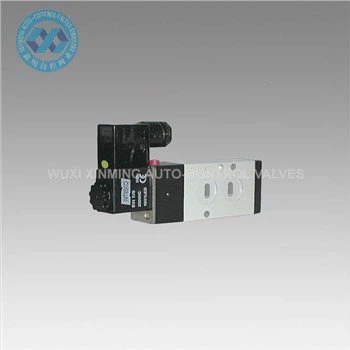
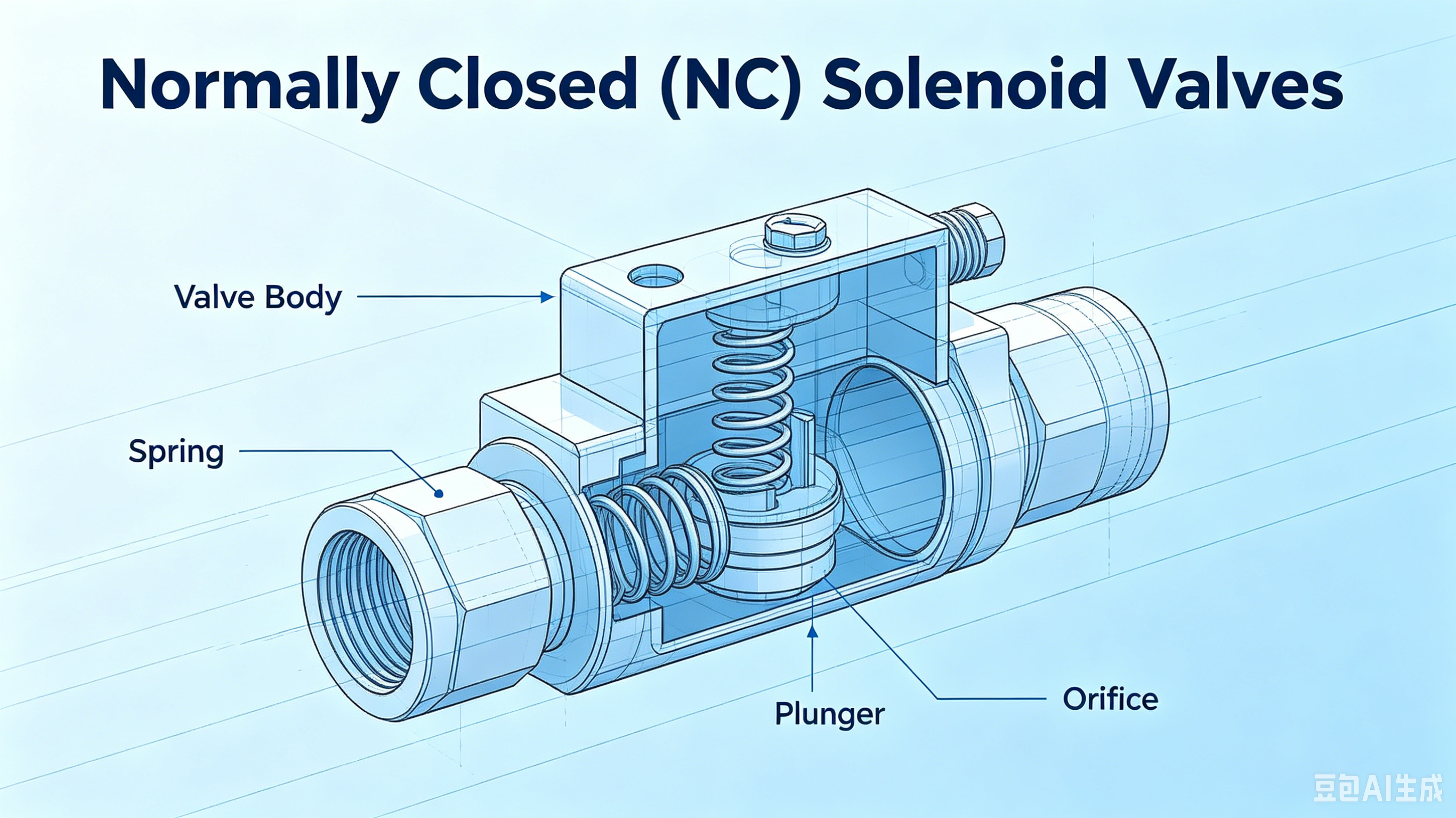
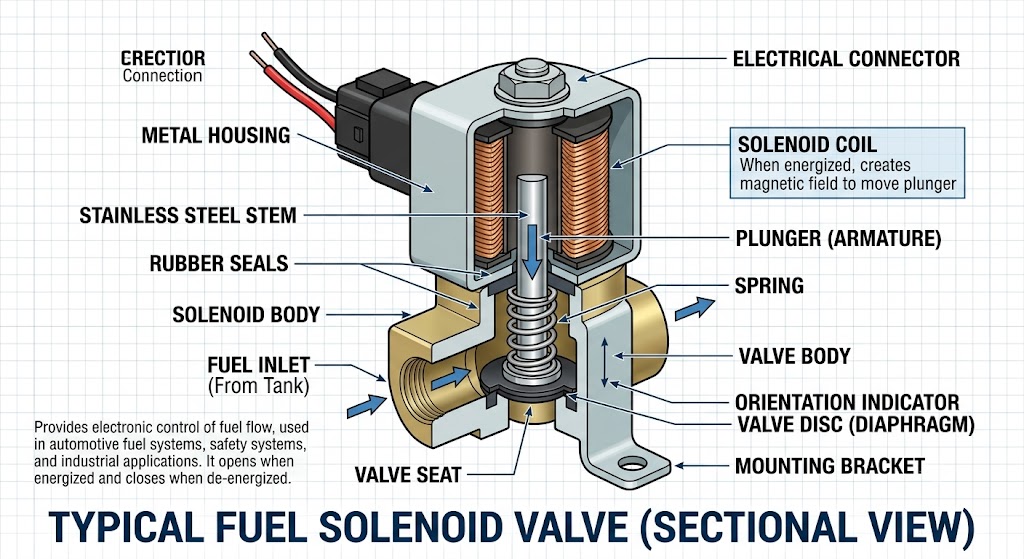
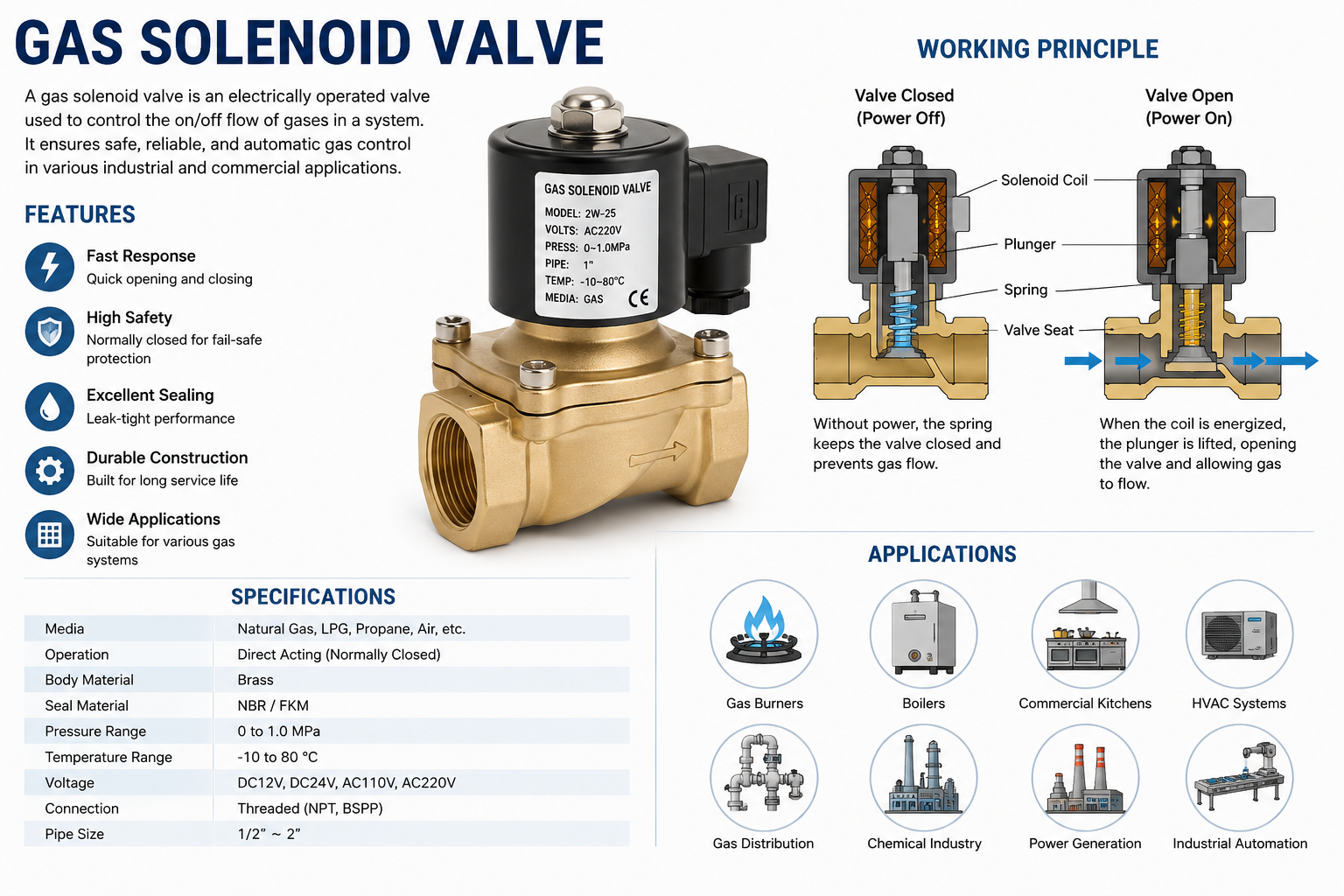
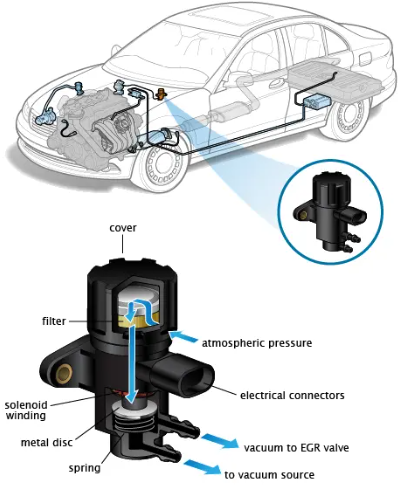
The EGR Vacuum Solenoid: An electro-pneumatic switch. It receives electrical signals from the Engine Control Unit (ECU) and uses engine vacuum to physically pull the EGR valve open or closed.
2. How the EGR Vacuum Solenoid Works
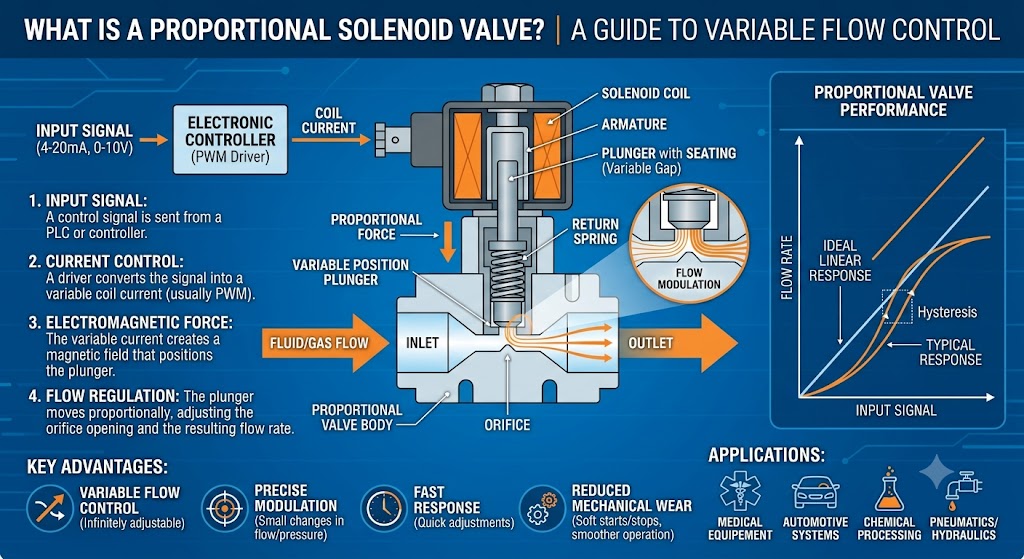
The solenoid acts as a bridge between the car's computer and the mechanical vacuum system. It typically operates via Pulse Width Modulation (PWM), meaning the ECU turns the solenoid on and off rapidly to precisely modulate the amount of vacuum reaching the EGR valve.
The Control Cycle:
-
Idle/Cold Start: The ECU keeps the solenoid closed. Recirculating exhaust at idle would cause a rough run or stall.
-
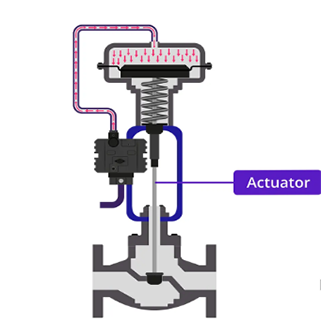
Cruising Speeds: The ECU activates the solenoid, allowing vacuum to pass through. This vacuum pulls the diaphragm in the EGR valve, opening the passage.
-
Wide Open Throttle (WOT): The solenoid usually closes to ensure the engine has maximum oxygen for peak acceleration.
Note: Modern vehicles may use "Electric EGR Valves" that eliminate the vacuum solenoid entirely, but millions of vehicles on the road still rely on this pneumatic control logic.
3. Symptoms of a Failing Control System
Because the solenoid and the valve work in tandem, a failure in one often mimics a failure in the other. Here is how to spot the difference:
Stuck Open (Too much recirculation)
-
Rough Idling: The engine feels like it's gasping for air.
-
Stalling: The engine dies immediately after starting or at stoplights.
-
P0402 Code: "EGR Flow Excessive Detected."
Stuck Closed (No recirculation)
-
Engine Knocking (Ping): High combustion temperatures cause pre-ignition.
-
Increased Emissions: Failure of the NOx portion of a smog test.
-
P0401 Code: "EGR Flow Insufficient Detected."
4. Comparison: Solenoid vs. Valve Failure
| Feature | Vacuum Solenoid Failure | EGR Valve Failure |
|---|---|---|
| Common Cause | Electrical coil burnout or cracked plastic housing. | Carbon buildup (soot) or ruptured diaphragm. |
| Diagnostic Tool | Multimeter (to check resistance/ohms). | Vacuum pump (to see if the valve holds pressure). |
| Sound | Clicking (electrical) or Hissing (vacuum leak). | Tapping or pinging from the engine (knock). |
| Fix | Component replacement. | Cleaning with carb cleaner or replacement. |
5. Troubleshooting the Control Circuit
If you suspect an issue with your EGR vacuum solenoid and valve control, follow these professional diagnostic steps:
-
Inspect Vacuum Hoses: Check for cracks, dry rot, or disconnected lines. A $5 hose is often the culprit behind a $200 "broken" sensor.
-
Test the Solenoid Resistance: Use a multimeter to check the solenoid's internal coil. If the resistance is infinite (open circuit), the solenoid is dead.
-
Apply Manual Vacuum: Use a handheld vacuum pump directly on the EGR valve. If the engine rpm changes or the valve doesn't move, the valve itself is clogged with carbon.
-
Check the ECU Signal: Use an oscilloscope or a high-end scan tool to ensure the ECU is actually sending the PWM signal to the solenoid.
Final Thoughts
The synergy between the EGR Vacuum Solenoid and Valve Control is a perfect example of how electronics and mechanics meet to keep our air cleaner. While carbon buildup is the most common enemy of the valve, electrical fatigue and vacuum leaks are the primary enemies of the solenoid. Proper maintenance and timely diagnostics can save you from expensive catalytic converter repairs down the road.
If you want to learn more about low-priced products, please visit the following website: www.xm-valveactuator.com