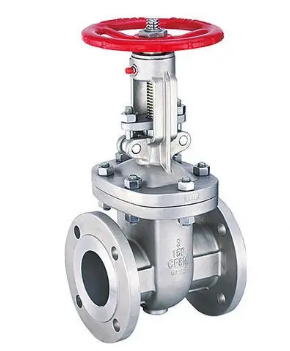
In industrial operations, a backup gate valve is your last line of defense against downtime. However, many facilities make the mistake of "set it and forget it." If a valve is stored improperly, you may find it seized, corroded, or leaking the moment you need to install it.
Following a rigorous storage and maintenance protocol ensures that your investment remains "shelf-ready" for years.
1. The Ideal Storage Environment
The environment is the biggest factor in valve longevity. Gate valves are heavy-duty, but their internal sealing surfaces are precision-engineered and vulnerable to the elements.
- Indoor Storage is Mandatory: Always store backup valves indoors. If outdoor storage is unavoidable, the valves must be kept off the ground on pallets and covered with a waterproof, UV-resistant tarp.
- Temperature and Humidity Control: High humidity leads to atmospheric corrosion. Ideally, store valves in a dry, ventilated area where temperatures remain relatively stable to prevent condensation.
- Contaminant Protection: Keep valves away from areas with high dust, chemical fumes, or salt spray, as these can degrade the stem packing and seat materials.
2. Pre-Storage Preparation
Before placing a valve into your inventory, follow these steps to "winterize" it for long-term storage:
- Clean and Dry: Ensure the valve is free of any moisture or manufacturing residues. Water trapped in the body cavity is the leading cause of internal pitting.
- The Position Matters: For most gate valves, the fully closed position is recommended. This prevents the wedge from vibrating against the seats and protects the precision-machined seating surfaces from debris.
- Apply Protective Coatings: Apply a coat of rust-preventative oil or "Tectyl" to any unpainted carbon steel surfaces, including the flange faces and the stem.
3. Protecting Critical Components
A gate valve's functionality depends on its moving parts and its ability to seal.
End Caps and Flange Protectors
Never store a valve without end caps. These plastic or wooden covers prevent dust, insects, and moisture from entering the valve bore. Without them, the internal seats can become scratched, leading to "passing" (internal leaking) once the valve is put into service.
Stem and Packing Maintenance
The stem is the most exposed mechanical part.
- Greasing: Ensure the stem threads are generously coated with a high-quality, water-resistant grease.
- Packing Tension: Consider slightly loosening the packing gland during long-term storage to prevent the packing material from taking a permanent "set" or compressing too tightly against the stem.
4. The Long-Term Maintenance Schedule
Maintenance doesn't stop once the valve is on the shelf. Implement a PM (Preventative Maintenance) cycle every 6 to 12 months:
| Task | Action |
| Visual Inspection | Check for signs of rust, peeling paint, or damaged end caps. |
| Cycling | Partially open and close the valve (3–5 turns) to ensure the grease remains distributed and the wedge isn't seized. |
| Re-Greasing | Re-apply lubricant to the stem and yoke nut if the existing grease has dried out. |
| Seal Check | Inspect the elastomers (if applicable) for signs of cracking or hardening. |
5. Summary of Best Practices
Properly maintaining your backup inventory reduces Total Cost of Ownership (TCO) and prevents catastrophic failures during emergency replacements. A backup valve is only as good as the condition it's in when it leaves the warehouse.
- Store indoors and dry.
- Keep end caps on at all times.
- Cycle the valve annually.
- Protect the flange faces.
If you want to learn more about low-priced products, please visit the following website: www.xm-valveactuator.com