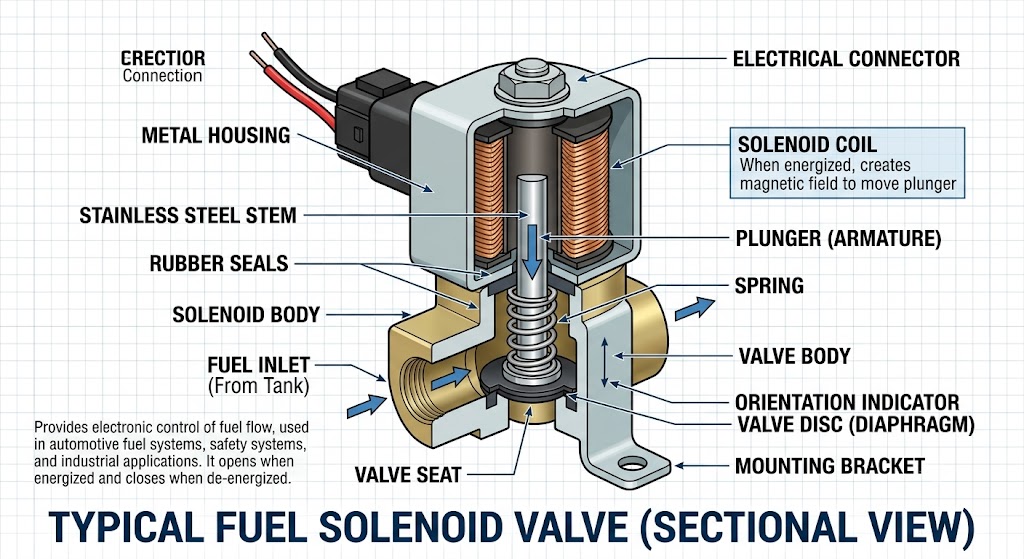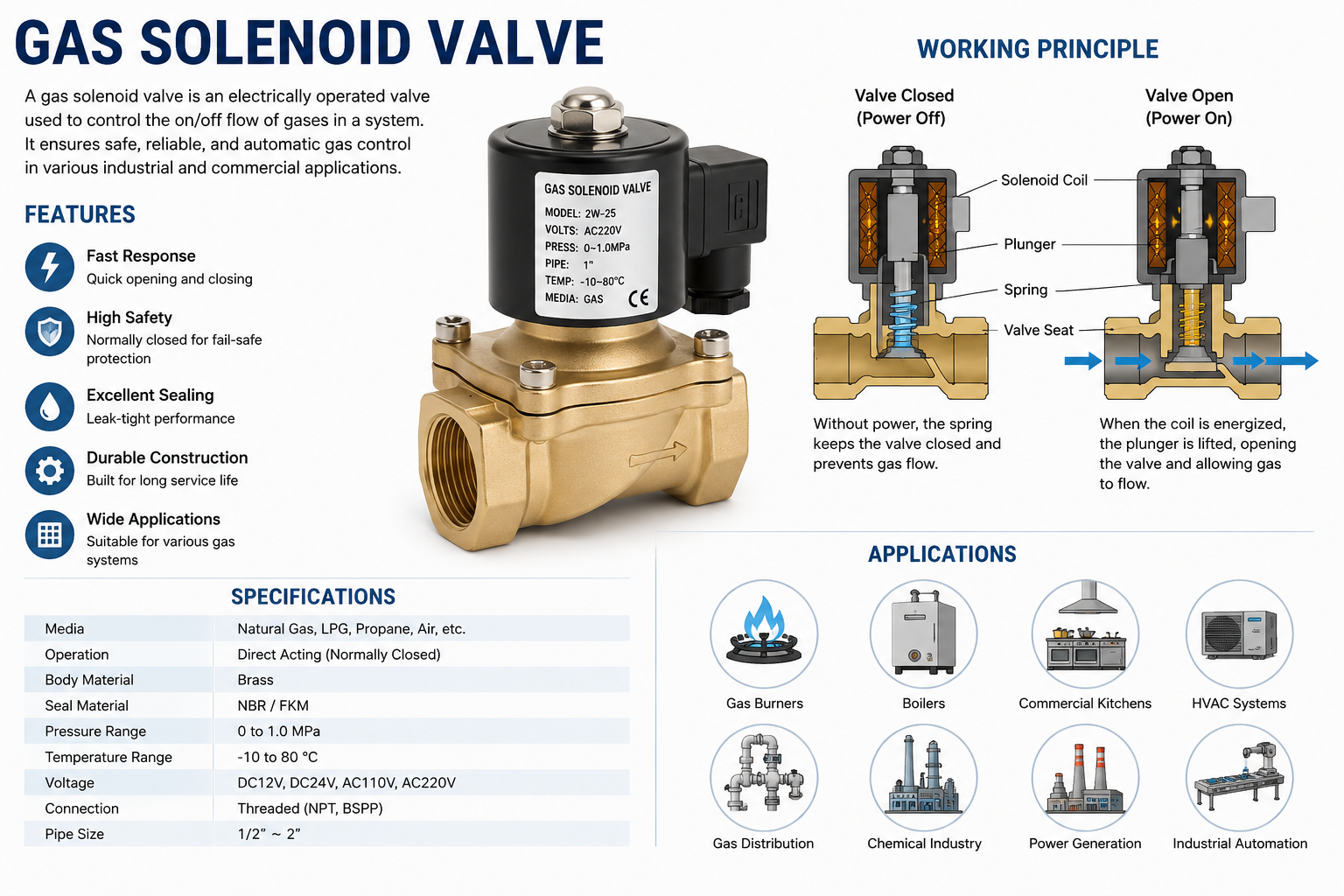
In the world of industrial automation, the Motor Operated Valve (MOV) stands as a cornerstone of flow control. Simply put, an MOV is a valve equipped with an electric motor-driven actuator that opens, closes, or modulates the valve's position remotely.
While manual valves require a human operator to physically turn a handwheel, MOVs use electrical energy to handle the heavy lifting, making them indispensable for large-scale operations and hazardous environments.
Core Components of an MOV
An MOV is essentially a marriage of two distinct parts: the valve body and the electric actuator.
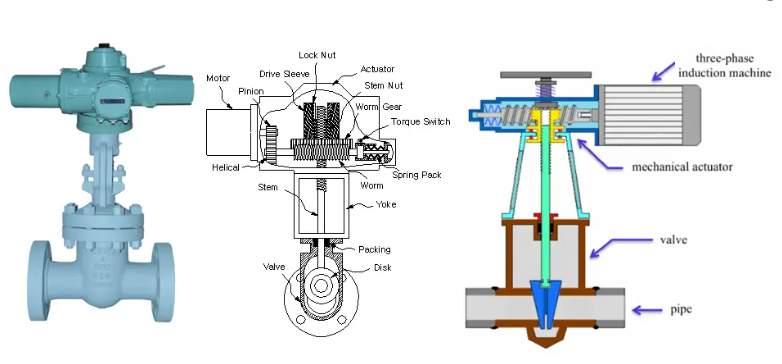
- Electric Motor: The power source, typically a high-torque motor capable of handling the initial "breakaway" force required to move a stuck valve.
- Gear Reducer: A system of gears that reduces the motor's high speed to a lower, high-torque output suitable for moving the valve stem.
- Limit Switches: These act as the "eyes" of the system, cutting power to the motor once the valve reaches its fully open or fully closed position to prevent mechanical damage.
- Torque Switches: A safety feature that shuts off the motor if it encounters excessive resistance (e.g., an obstruction in the pipe), protecting the valve and the motor from burning out.
- Manual Override: Usually a handwheel that allows operators to move the valve manually during a power failure or maintenance.
How It Works
The process is straightforward but precise. When a signal is sent from a central control room (or a local push-button), the electric motor engages. The gear assembly converts the motor's rotation into either linear motion (for gate or globe valves) or rotary motion (for ball or butterfly valves).
As the valve moves, the limit switches monitor the position. Once the desired state is reached, the circuit breaks, and the motor stops. If the valve is intended for modulating service, the actuator can stop at any point between 0% and 100% to precisely regulate flow rates.
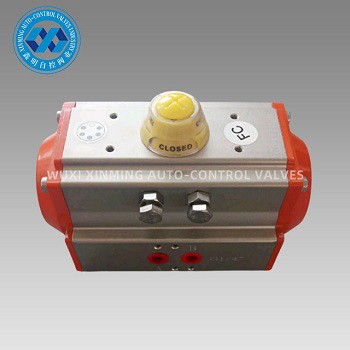
MOV vs. Other Actuation Methods
| Feature | Motor Operated (MOV) | Pneumatic (Air) | Hydraulic |
| Power Source | Electricity | Compressed Air | Pressurized Oil |
| Precision | Very High | Moderate | High |
| Cost | Higher initial cost | Lower initial cost | Expensive |
| Failure Mode | Usually "Fail-Last" | Can be "Fail-Safe" (Spring) | Can be "Fail-Safe" |
| Environment | Clean, dry preferred | Good for explosive areas | Heavy-duty/High-force |
Key Applications
MOVs are favored in industries where manual operation is impractical due to the size of the valve, the pressure of the fluid, or the distance from the control center.
- Oil & Gas: Controlling long-distance pipelines and refinery processes.
- Power Plants: Regulating cooling water and steam flow.
- Water Treatment: Managing flow in large-diameter municipal water mains.
- Chemical Processing: Handling corrosive or toxic fluids where operator safety is paramount.
Advantages and Considerations
The Pros:
- Remote Operation: Can be controlled from miles away via PLC or SCADA systems.
- High Torque: Easily handles large valves (up to several feet in diameter).
- Consistency: Moves the valve at a steady, predictable speed, reducing "water hammer" effects.
The Cons:
- Power Dependency: Without an Uninterruptible Power Supply (UPS) or manual override, they are useless during a blackout.
- Complexity: Requires specialized electrical knowledge for maintenance compared to simple mechanical valves.
If you want to learn more about low-priced products, please visit the following website: www.xm-valveactuator.com