In the world of fluid dynamics, some of the most critical components are also the most understated. Enter the check valve—often referred to as a non-return valve (NRV) or one-way valve.
Whether you are managing a massive industrial chemical plant or simply maintaining a home irrigation system, understanding how these valves function is essential for preventing equipment damage and ensuring operational efficiency.
What is a Check Valve?
A check valve is a mechanical device that allows fluid (liquid or gas) to flow through it in only one direction. Its primary purpose is to prevent backflow, which can cause contamination, damage pumps, or lead to system failure.
Unlike most valves, check valves operate automatically. They do not require a handle, lever, or external actuator to function. Instead, they rely on the pressure differential of the fluid itself to open and close.
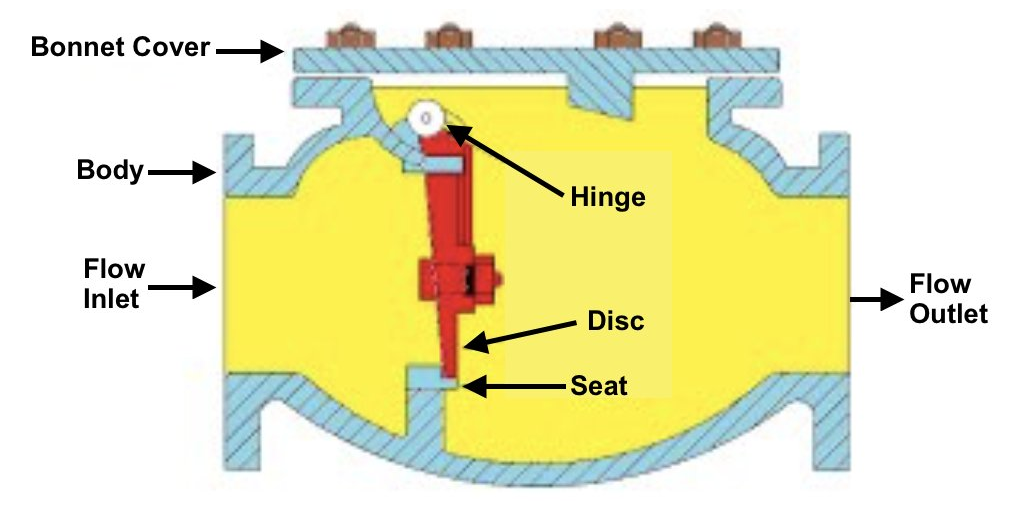
How Does a Check Valve Work?
The operation of a check valve hinges on a concept called cracking pressure.
- Opening (Forward Flow): When the upstream pressure exceeds the "cracking pressure" (the minimum pressure required to open the valve), the internal mechanism (a disc, ball, or flap) moves, allowing the fluid to pass.
- Closing (Backflow Prevention): As soon as the pressure drops or fluid begins to move backward, the internal mechanism is pushed back onto its seat—often aided by gravity or a spring—sealing the flow instantly.
Common Types of Check Valves
Not all check valves are created equal. Depending on your flow rate, pressure, and space constraints, you might choose one of the following:
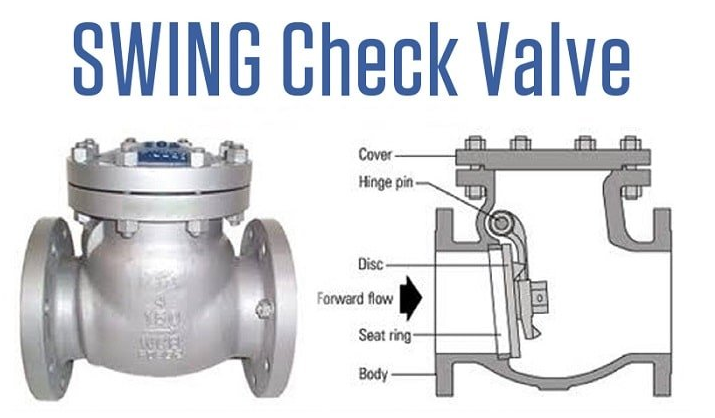
1. Swing Check Valve
The most common type, featuring a disc that swings on a hinge or shaft. It's ideal for full-flow applications but can be prone to "water hammer" if the flow reverses suddenly.
2. Ball Check Valve
Uses a spherical ball to block the flow. When pressure is applied, the ball is pushed into a chamber; when flow stops, the ball settles back into the seat. These are excellent for viscous fluids or systems with debris.
3. Spring-Loaded In-Line Check Valve
These utilize a spring to hold the disc in the closed position. They are incredibly versatile because they can be installed in any orientation (vertical or horizontal).
4. Lift Check Valve
Similar to a globe valve, the disc "lifts" off the seat by the pressure of the upward flow. These are typically used in high-pressure systems where leak prevention is paramount.
Why Are Check Valves Essential?
Why should you care about integrating a high-quality check valve into your system? Here are three professional-grade reasons:
- Pump and Compressor Protection: When a pump stops, fluid can rush backward, spinning the pump in reverse and causing mechanical failure. A check valve prevents this "recoil."
- Preventing Contamination: In plumbing and processing, check valves ensure that "dirty" or processed water doesn't siphon back into the clean water supply.
- Pressure Maintenance: They help maintain pressure in a system even after the power source or pump has been turned off.
Key Considerations for Selection
Choosing the right valve is more than just matching pipe sizes. To ensure longevity, consider these technical specs:
| Feature | Description |
|---|---|
| Material | Stainless steel for corrosion resistance; PVC for low-pressure/budget; Brass for general plumbing. |
| Cracking Pressure | Ensure your system generates enough pressure to actually open the valve. |
| Orientation | Will it be installed horizontally or vertically? (Gravity-fed swing valves won't work vertically with downward flow). |
| Media Type | Is the fluid corrosive, abrasive, or extremely hot? |
Maintenance and Troubleshooting
While check valves are "set it and forget it" components, they aren't immortal. The two most common issues are:
- Leaking (Backflow): Usually caused by debris stuck in the seat or a worn-out seal.
- Water Hammer: A loud "bang" when the valve slams shut. This can be mitigated by using "silent" or spring-assisted check valves.
Final Thoughts
The humble check valve is the silent guardian of your fluid systems. By selecting the right type and material, you can save thousands of dollars in potential pump repairs and downtime.
If you want to learn more about low-priced products, please visit the following website: www.xm-valveactuator.com