Cuckoo rice cookers are the Ferraris of the kitchen—high-tech, pressurized, and capable of making perfect rice. But when the solenoid valve acts up, your premium appliance can quickly turn into an expensive paperweight.
If your cooker is leaking steam, showing error codes, or leaving your rice crunchy, the solenoid valve is likely the culprit. Let's dive into what goes wrong and how to get your kitchen back on track.
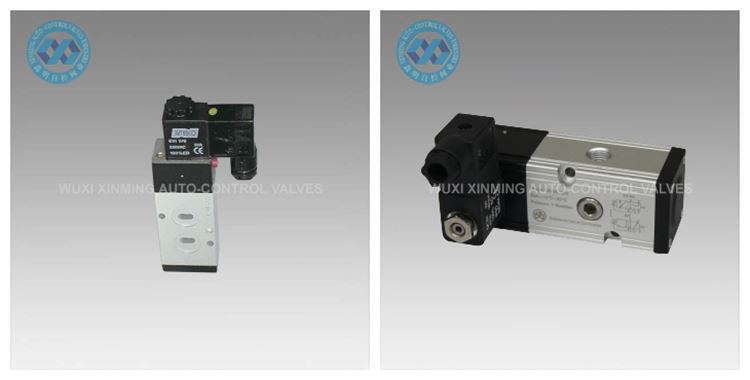
What Does the Solenoid Valve Actually Do?
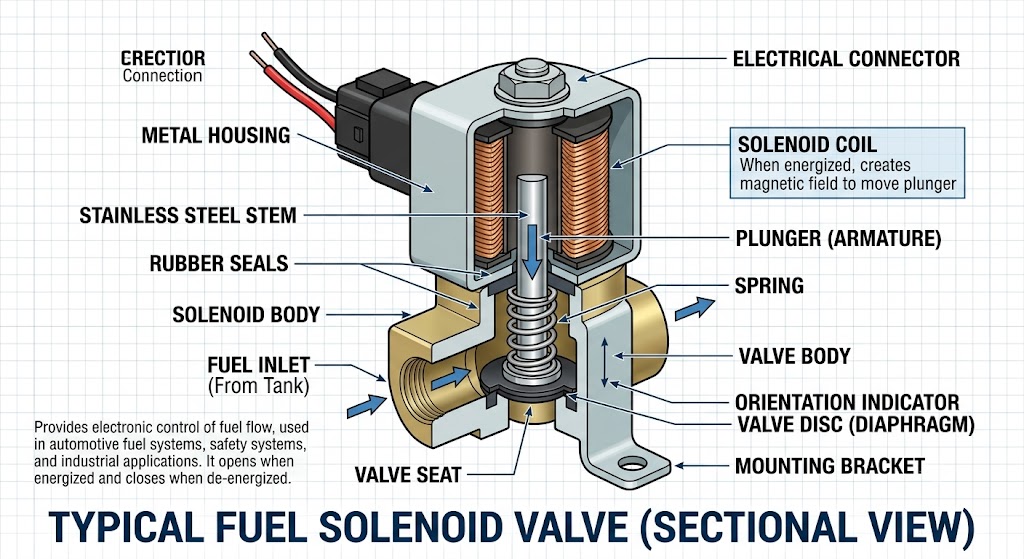
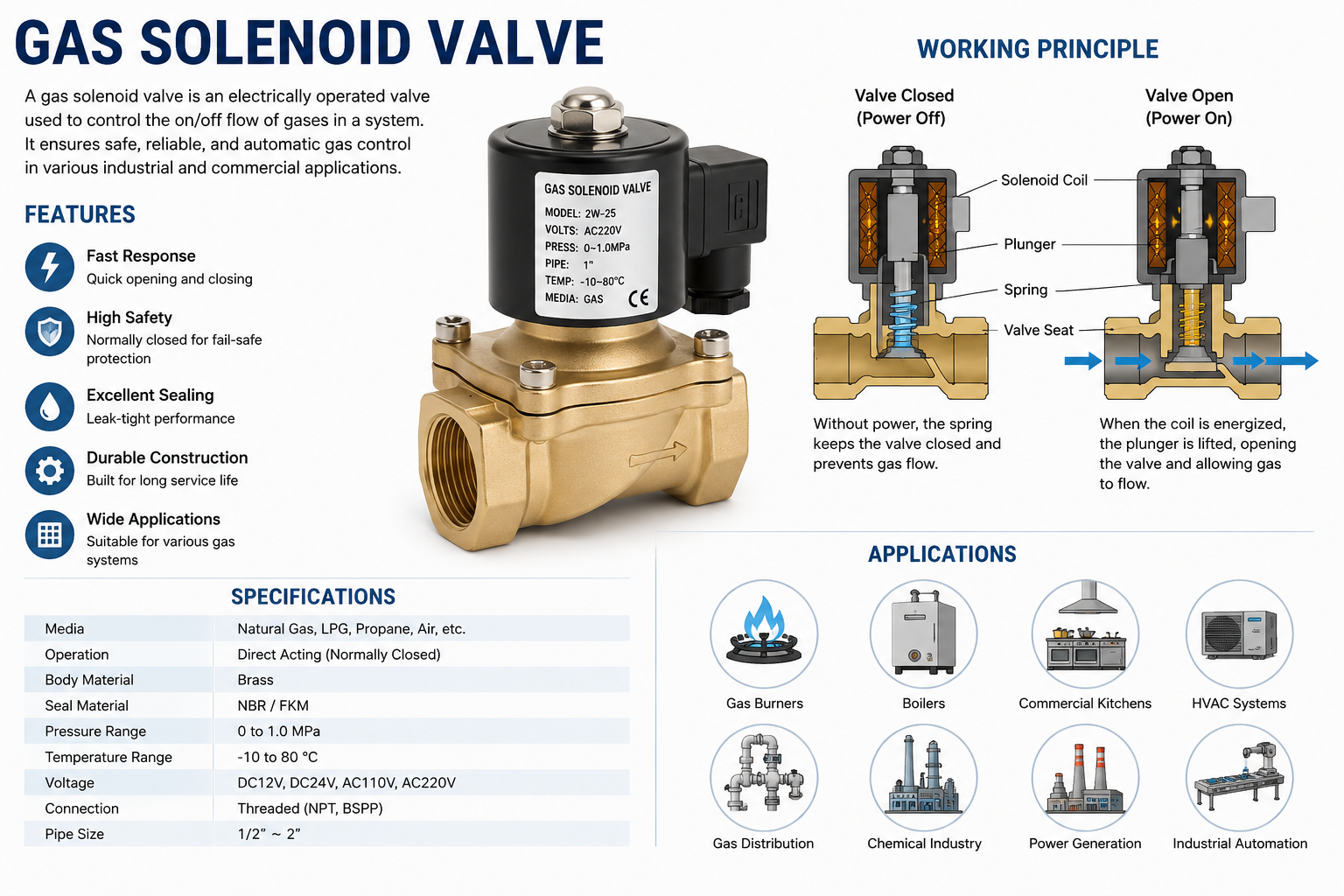
In a pressure rice cooker, the solenoid valve is an electromechanical gatekeeper. It is responsible for:
- Sealing the Chamber: Keeping the steam inside to reach high temperatures and pressures.
- Controlled Release: Automatically venting steam at specific points in the cooking cycle.
- Safety: Acting as a secondary pressure release to prevent over-pressurization.
When this valve fails to open or close properly, the cooking physics of the machine are completely disrupted.
5 Signs Your Solenoid Valve is Failing
How do you know the problem is the valve and not just a bad gasket? Look for these "red flag" symptoms:
- Steam Leaking from the Back: If steam is constantly escaping from the vent during the boiling phase, the valve isn't sealing.
- The "E01" Error Code: On most Cuckoo models, the E01 error specifically points to a pressure/locking issue often tied to the solenoid's sensor or coil.
- Rice is Dry or Undercooked: If the valve can't hold pressure, the internal temperature never reaches the necessary level, resulting in undercooked grains.
- No "Hiss" at the End: If your cooker finishes its cycle without the signature loud steam release, the valve may be stuck in the closed position.
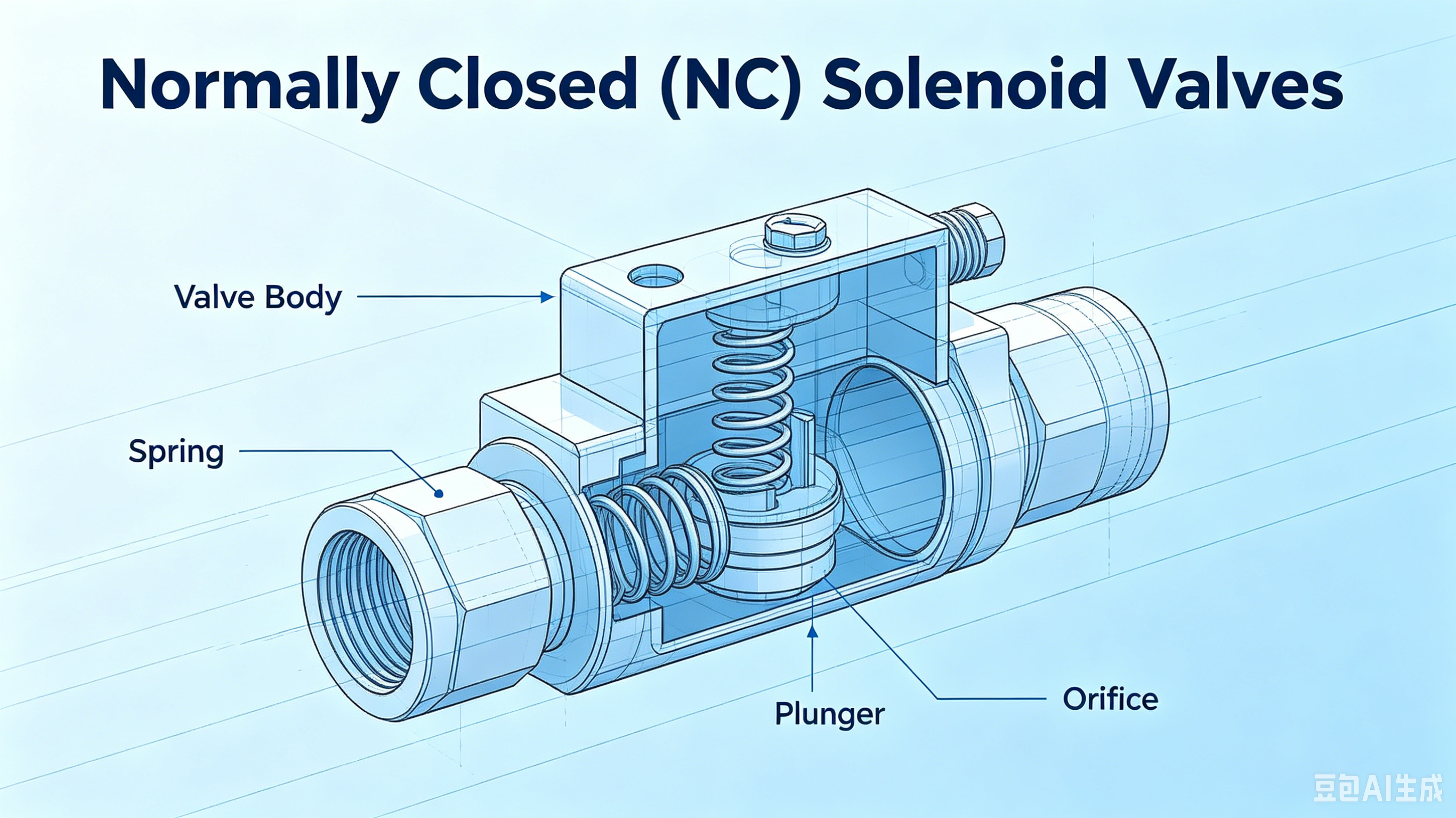
- Strange Clicking Sounds: Repetitive clicking without steam release suggests the electrical coil is trying to fire but the mechanical plunger is stuck.
Common Causes: Why Do These Valves Break?
1. Starch and Scale Buildup
This is the #1 killer. Starchy water from the rice can bubble up into the valve assembly. Over time, this starch hardens into a glue-like residue that prevents the plunger from moving.
2. Mineral Deposits
If you use hard water, calcium and magnesium can crystallize inside the valve. Even a tiny speck of scale can prevent the valve from forming a "bubble-tight" seal.
3. Electrical Coil Burnout
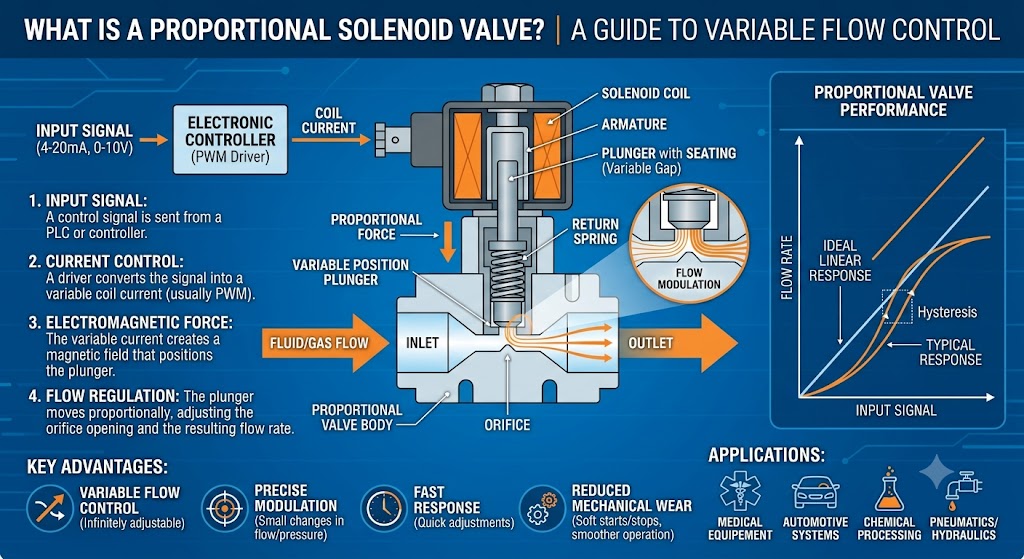
The solenoid uses an electromagnetic coil to lift the plunger. If there is a power surge or if the valve has been overworked, the internal copper wiring can short out.
4. Worn Rubber Seals
The tiny rubber tip on the end of the solenoid plunger is subject to extreme heat and pressure. Eventually, it becomes brittle or "pits," allowing steam to bypass the valve even when it's technically closed.
Troubleshooting Checklist
Before you buy a replacement part, try these steps:
- The Deep Clean: Use the "Auto-Clean" function if your model has one. If not, manually clean the steam vent and the area surrounding the solenoid (requires some disassembly).
- Inspect the Gasket: Sometimes a leaking main lid gasket mimics a solenoid failure. Check the big rubber ring first!
- The "Pin" Test: Ensure the safety pin and the weight (the oscillating part on top) move freely. If they are stuck, the solenoid cannot vent properly.
Troubleshooting Table: Quick Diagnosis
| Symptom | Probable Cause | Likely Fix |
|---|---|---|
| Constant Steam Leak | Debris in valve or worn seal | Cleaning or Valve Replacement |
| Error Code E01 | Electrical failure/Sensor issue | Check wiring or Replace Solenoid |
| No Steam Release | Plunger stuck closed | Manual cleaning of the valve assembly |
| Loud Vibrating Noise | Loose solenoid mount | Tighten internal screws |
Is it a DIY Fix?
Replacing a Cuckoo solenoid valve is a "medium" difficulty task. It involves removing the bottom or top casing, disconnecting wire harnesses, and unscrewing the valve assembly.
Warning: Always unplug your rice cooker and ensure it is completely cool before attempting any repair. Working on a pressurized appliance carries a risk of burns and electrical shock.
Conclusion
A faulty Cuckoo rice cooker solenoid valve doesn't mean you need a new cooker. Most issues are caused by simple starch buildup that a thorough cleaning can resolve. However, if the electrical coil has failed, a genuine OEM replacement part is the only way to restore your cooker to its former glory.
If you want to learn more about low-priced products, please visit the following website: www.xm-valveactuator.com