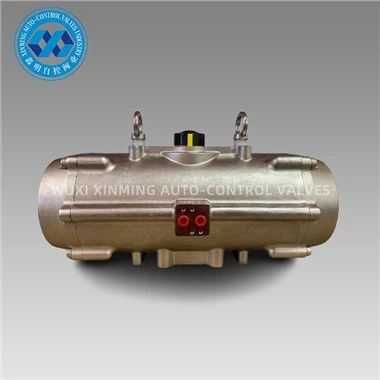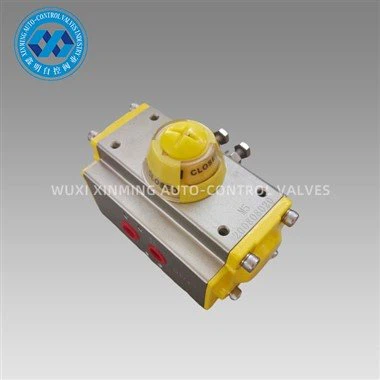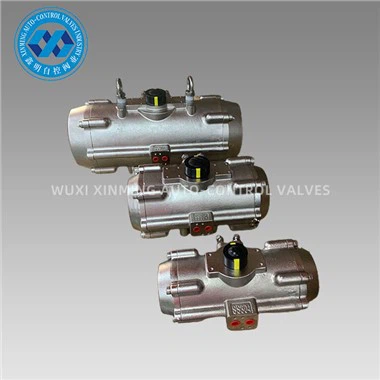
In industrial automation, the quarter-turn electric actuator is the workhorse behind ball valves, butterfly valves, and plug valves. These devices convert electrical energy into 90° of rotational force. However, choosing the "best" one requires more than matching a bolt pattern; it requires a deep dive into torque, duty cycles, and environmental variables.
Here is the professional roadmap to selecting the perfect quarter-turn electric actuator for your application.
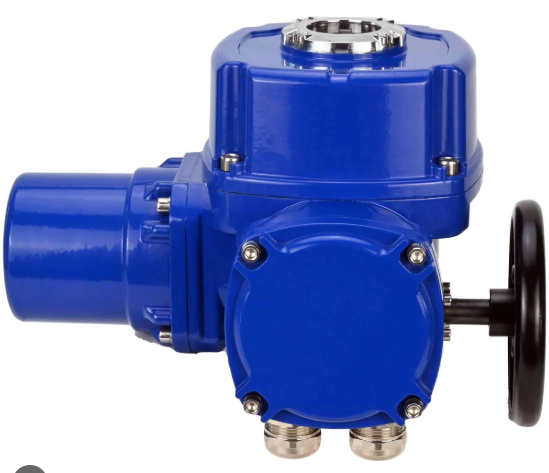
1. Calculate the Required Torque (With a Safety Buffer)
Torque is the most critical metric. If the actuator cannot overcome the valve's breakaway torque, the system fails.
- Determine Valve Torque: Refer to the valve manufacturer's data sheet for the "breakaway torque."
- Account for Media: Viscous fluids, high pressures, or dry gases increase friction.
- The Safety Factor: Always add a safety buffer (typically 20% to 30%) to the valve's torque requirement to ensure the actuator can operate under suboptimal conditions.
2. Match the Voltage and Power Supply
Before ordering, verify the available power at the installation site. Electric actuators are typically available in:
- AC Voltage: 110V, 220V, or 3-phase 380V/440V for heavy-duty industrial applications.
- DC Voltage: 12V or 24V, often used in mobile equipment or solar-powered remote sites.
Pro Tip: Ensure your control system's output matches the actuator's motor requirements to avoid the need for additional relays or transformers.
3. Understand the Duty Cycle
The duty cycle represents the ratio of "on-time" to "total time," expressed as a percentage.
- Standard Duty (25-30%): Ideal for simple open/close (on-off) applications that operate a few times an hour.
- High Duty (75-100%): Essential for modulating service, where the actuator constantly adjusts position to regulate flow.
Using a low-duty actuator for a modulating task will lead to motor overheating and premature failure.
4. Select the Control Type: On/Off vs. Modulating
How do you need the valve to behave?
- On/Off Control: The valve is either fully open or fully closed. These actuators usually use simple limit switches.
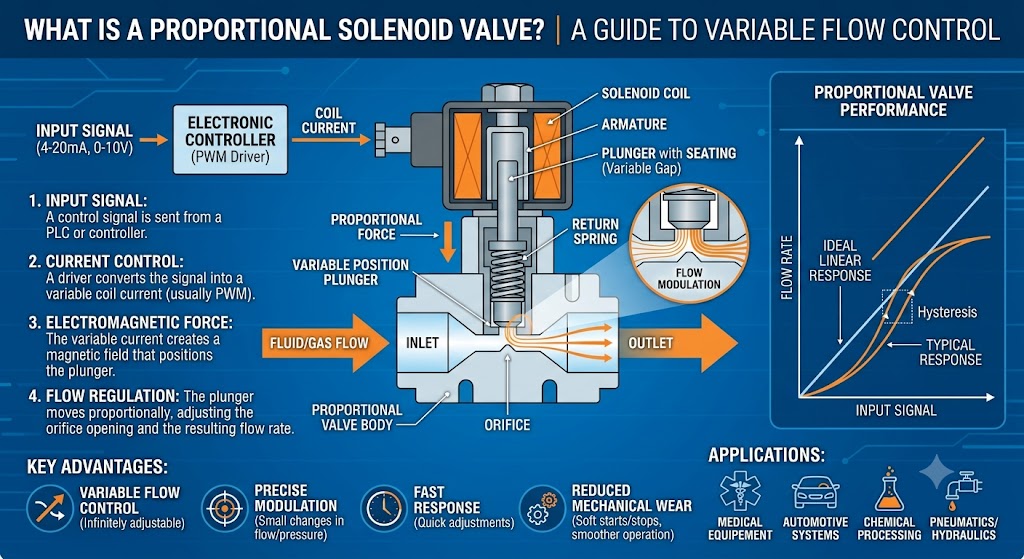
- Modulating (Proportional) Control: The actuator positions the valve at specific angles (e.g., 45% open) based on a 4-20mA or 0-10V signal. This requires an internal positioner card.
5. Environmental Protection (IP and NEMA Ratings)
Where will the actuator live? The enclosure must protect the sensitive electronics and motor from the elements.
| Environment | Recommended Rating |
|---|---|
| Indoor/General Use | IP65 / NEMA 4 |
| Outdoor/Washdown | IP67 / NEMA 4X (Corrosion Resistant) |
| Temporary Submersion | IP68 |
| Hazardous/Explosive | ATEX / Ex-Proof / NEMA 7 |
6. Critical Secondary Features
Don't overlook these "quality of life" and safety features that differentiate a premium actuator from a budget one:
- Manual Override: A handwheel or declutch mechanism is vital for operating the valve during a power failure.
- Visual Position Indicator: A clear, high-visibility mechanical dome allows technicians to see the valve status from a distance.
- Internal Heater: Prevents condensation from forming inside the housing, which is the #1 cause of electronic failure in outdoor actuators.
- Limit Switches: Extra "dry contact" switches allow you to send a confirmation signal back to the PLC when the valve has reached its end position.
Comparison Summary Table
| Feature | On-Off Actuator | Modulating Actuator |
|---|---|---|
| Primary Use | Isolation | Flow Control |
| Input Signal | Contact Closure/Voltage | 4-20mA / 0-10V |
| Typical Duty Cycle | 25% - 30% | 75% - 100% |
| Complexity | Low | High |
Conclusion
Choosing the best quarter-turn electric actuator is a balance of mechanical force (torque), electrical compatibility, and operational environment. By sizing for torque +30% and selecting the appropriate duty cycle, you eliminate the most common causes of field failure.
If you want to learn more about low-priced products, please visit the following website: www.xm-valveactuator.com