In the world of fluid handling, precision and purity are non-negotiable. Whether you are managing aggressive chemicals or high-purity biopharmaceutical media, the manual diaphragm valve stands as one of the most reliable solutions in your arsenal.
This guide explores why these valves are the "go-to" choice for critical flow control, how they function, and how to select the right one for your specific industrial needs.
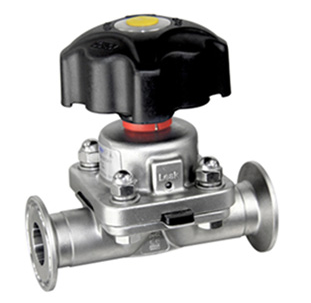
What is a Manual Diaphragm Valve?
A manual diaphragm valve is a linear motion valve used to start, regulate, or stop fluid flow. Its defining feature is a flexible diaphragm—typically made of elastomer or plastic—that acts as the primary sealing element.
Unlike ball or gate valves, the diaphragm physically separates the operating mechanism (the bonnet and stem) from the process fluid. This "isolated" design is what makes it the gold standard for avoiding contamination and resisting corrosion.
How It Works
The operation is elegantly simple:
- Opening: As the handwheel is turned, the valve stem lifts a "compressor" component. The flexible diaphragm follows, opening the flow path.
- Closing: Turning the handwheel downward forces the compressor against the diaphragm, pressing it against the bottom of the valve body (the seat) to create a leak-proof seal.
Weir Type vs. Straight-Through: Which Do You Need?
Not all manual diaphragm valves are created equal. Depending on your media, you will likely choose between these two primary designs:
1. Weir Type Diaphragm Valve
This is the most common design. It features a raised "weir" or bridge in the valve body.
- Pros: Shorter stroke (longer diaphragm life) and excellent throttling capabilities.
- Best For: General gas/liquid service and precise flow regulation.
2. Straight-Through Type
The internal flow path is almost entirely straight, with no weir.
- Pros: Minimal pressure drop and no place for solids to get trapped.
- Best For: Slurries, viscous fluids, and abrasive media that would clog a weir-type valve.
Why Choose a Manual Diaphragm Valve? (Key Benefits)
If you are weighing your options between different valve types, here is why the manual diaphragm valve often wins:
- Zero Leakage: The diaphragm provides a bubble-tight shut-off, making it ideal for hazardous or expensive fluids.
- Contamination-Free: Since the stem and internal components never touch the fluid, there is no risk of lubricant or metallic particles leaching into your process.
- Ease of Maintenance: You can replace the diaphragm without removing the entire valve body from the pipeline—a massive time-saver for maintenance teams.
- Durability: Available in a wide range of linings (like PFA, ETFE, or Glass) to handle the most "nasty" acids and bases.
Technical Specifications: Material Selection
Selecting the right material combination is crucial for the longevity of your valve. Use the table below as a quick reference:
| Component | Common Materials | Best Used For... |
|---|---|---|
| Body | Cast Iron, Stainless Steel, Plastic (PVC/PVDF) | Structural integrity and external corrosion resistance. |
| Lining | PFA, PTFE, EPDM, Natural Rubber | Chemical compatibility with the fluid. |
| Diaphragm | EPDM, PTFE, Viton | Determining temperature and pressure limits. |
Common Applications
You will find manual diaphragm valves across a spectrum of high-stakes industries:
- Pharmaceutical & Biotech: Maintaining sterility is easier when there are no "dead legs" in the valve.
- Water Treatment: Handling corrosive chemicals like chlorine or acidic wastewater.
- Chemical Processing: Moving aggressive acids that would eat through standard metal seats.
- Food & Beverage: Sanitary designs ensure no bacterial growth within the valve assembly.
Conclusion
The manual diaphragm valve is a master of isolation. Its ability to provide a hermetic seal while protecting internal components from the media makes it indispensable for modern industrial piping. By choosing the correct type (Weir vs. Straight-through) and material lining, you ensure a system that is both safe and cost-effective.
If you want to learn more about low-priced products, please visit the following website: www.xm-valveactuator.com