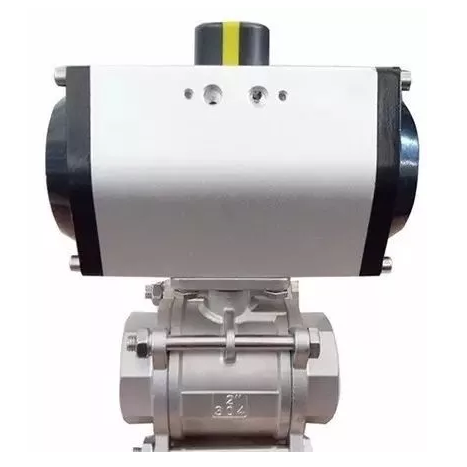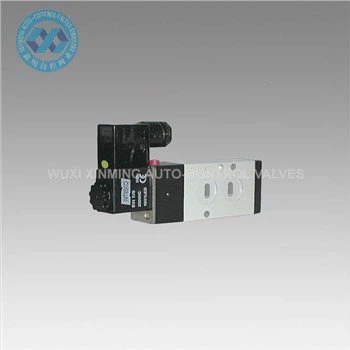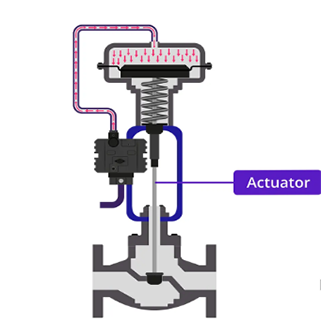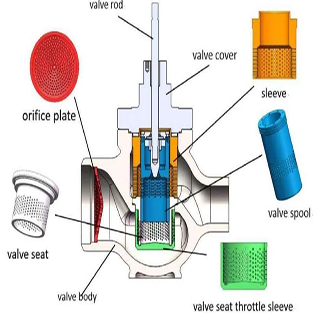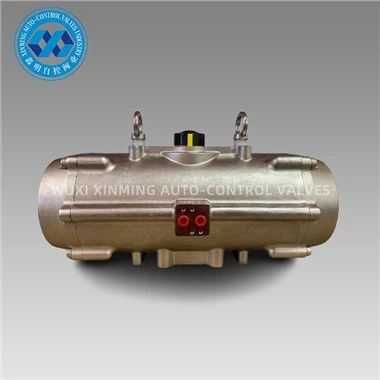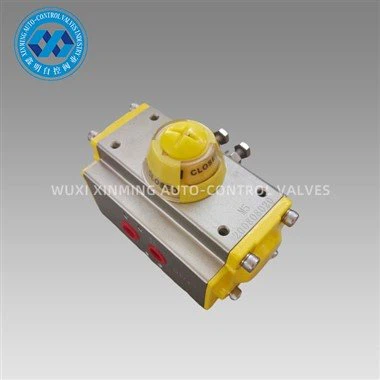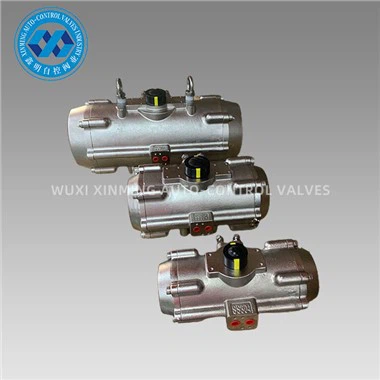
You know, the world of automation is really going through some big changes lately. Experts are starting to see just how important pneumatic actuators are. John Smith, who's pretty much a go-to guy at Automation Solutions, even said, "Pneumatic actuators are seriously changing the game when it comes to industrial efficiency." And honestly, that's a clear sign that a lot of manufacturing processes are heading in a new direction.
These actuators are pretty impressive—they can be super precise and fast. Basically, they turn compressed air into mechanical movement, which is pretty neat. There are different types out there, each designed for a specific purpose. They're used everywhere, from making cars to processing food. But here's the tricky part: picking the right one isn't always straightforward. Sometimes folks forget just how important it is to match the actuator to the right application.
Looking ahead to 2026, the need for pneumatic actuators is expected to keep climbing. Still, a lot of companies might not totally get how their systems work, which can cause some inefficiencies. Paying close attention to the details really matters. Checking out different types of actuators can actually boost performance, you know? And focusing on using the right one for the job is key to getting the best results — it's all about the right fit.
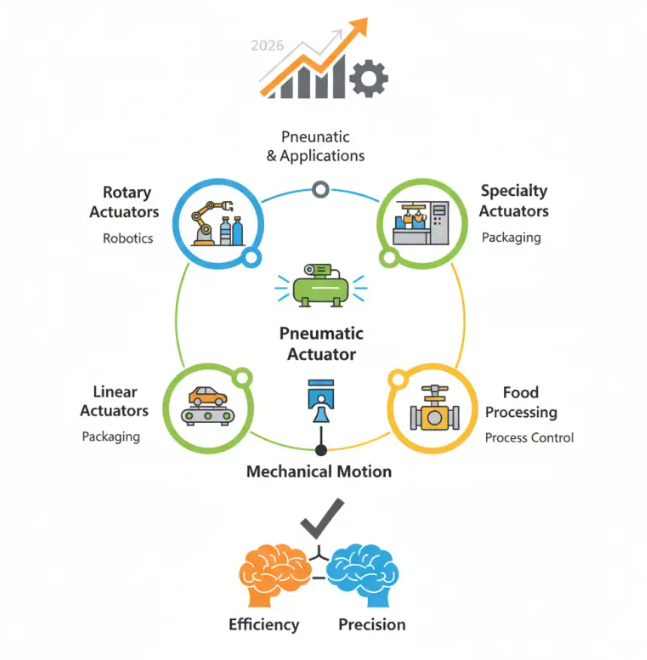
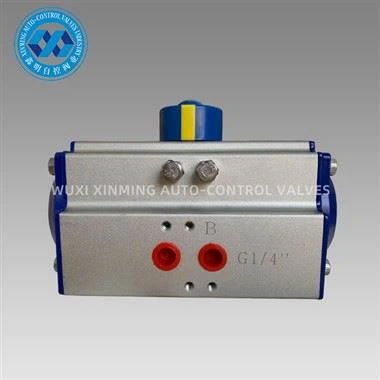
Pneumatic actuators play a crucial role in various industries. These devices convert compressed air into mechanical motion. This motion can control valves, dampers, and other equipment. The importance of Pneumatic Air Actuators lies in their efficiency and reliability. They provide quick response times and precise control. In many systems, this leads to improved performance and energy savings.
Industries like manufacturing, automotive, and HVAC heavily rely on pneumatic actuators. In manufacturing, they assist in assembly and packaging. Their use ensures a smooth operation of machinery. In automotive applications, they control braking and throttle systems. HVAC systems benefit from pneumatic actuators by regulating airflow. Each application showcases their versatility and capability.
However, not all applications are straightforward. Sometimes, improper sizing leads to inefficiencies. Users may overlook maintenance, causing performance issues. Additionally, choices between different actuator types can be challenging. Understanding specific needs is essential. While pneumatic air actuators are effective, awareness of potential pitfalls is vital for optimal performance.
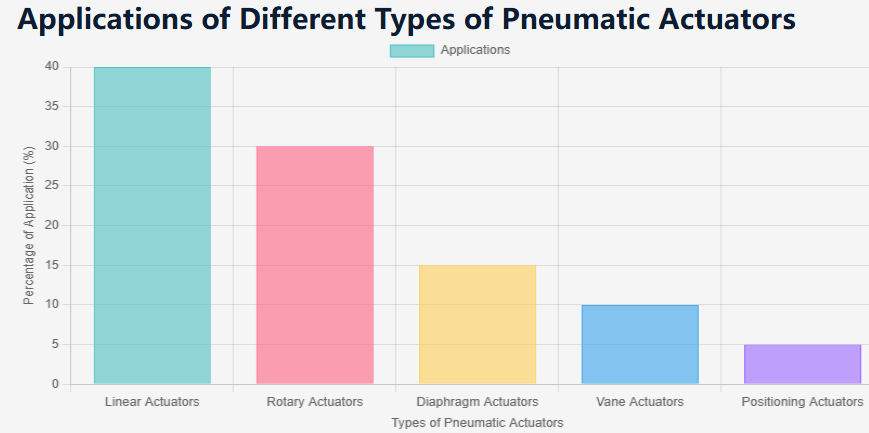
Types of Pneumatic Actuators: A Comprehensive Breakdown
Pneumatic actuators are crucial in various industries. They convert compressed air into mechanical motion. Understanding the different types is essential for effective use.
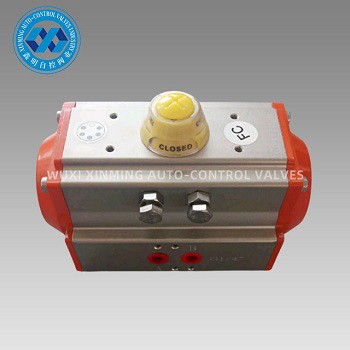
There are several types of pneumatic actuators available. The most common ones include diaphragm, piston, and rotary. Each type serves a specific purpose. For example, diaphragm actuators are ideal for precise control. Piston actuators provide strong linear motion. Rotary actuators are widely used for valve operations.
Remember, not all applications suit every actuator type. Some setups may require more force than others. Reflect on your system's needs carefully before making a decision. Exploring options can save time and money in the long run.
Applications of Pneumatic Actuators in Various Industries
Pneumatic actuators play a crucial role in various industries. They convert compressed air into mechanical motion. This technology is widely used in manufacturing and automation. In food processing, for example, these actuators ensure precise control in packaging lines. Their speed and efficiency make tasks like opening and closing valves much easier.
In the automotive industry, pneumatic actuators control robots during assembly. Fast Pneumatic Actuator can enhance productivity on the production floor. Their quick response time reduces operational delays. However, there are challenges. Air leaks can affect performance. Regular maintenance is essential to avoid costly downtimes.
Another notable application is in the pharmaceutical sector. Pneumatic actuators enable the automation of critical processes, such as filling and sealing. Reliable operation is necessary to maintain product quality. Yet, variations in air pressure can hinder precision. It's vital to calibrate and monitor these systems closely.
Advantages of Using Pneumatic Actuators Over Other Types
Pneumatic actuators offer unique advantages that set them apart from other types. They use compressed air to create motion, making them efficient and precise in their applications. With a quick response time, these actuators can operate machinery swiftly, which is crucial in fast-paced environments. They are also simpler and lighter than electric actuators, making installation more manageable.
Another significant benefit is their reliability in harsh conditions. Pneumatic actuators can endure temperatures and pressures that would damage other types. Additionally, they tend to be less expensive to maintain. However, one must consider the compressed air supply. Interruptions in air supply can lead to delays in operation, a potential downside for some systems.
Lastly, while pneumatic actuators excel in many areas, they may not be ideal for all applications. They can be less efficient in energy use compared to electric options. This aspect requires careful consideration during system design. In some cases, it may be worth exploring other actuation methods depending on specific needs. Balancing these factors is essential for optimal performance.
Factors to Consider When Selecting a Pneumatic Actuator
When selecting a pneumatic actuator, consider several key factors to ensure optimal performance. One of the most critical aspects is the operating pressure range. Assess the environment where the actuator will function. High-pressure systems require robust actuators. Conversely, low-pressure applications may not need as heavy-duty a design. Pay attention to size and weight too. An actuator must fit the designated space without compromising functionality.
Another important factor is the control signal type. Whether you require a simple on/off or a modulating control can significantly influence actuator selection. Some systems utilize HMI interfaces or PLCs for more complex needs. An actuator that matches your control system provides smoother operations. Remember to evaluate the actuator's response time. This aspect can impact the overall efficiency of the system.
Future Trends in Pneumatic Actuator Technology
The future of pneumatic actuator technology is evolving rapidly. One notable trend is the integration of smart technologies. Industry reports indicate that automation is projected to grow at a CAGR of 10% by 2026. This shift is pushing pneumatic actuators towards more intelligent systems. Smart actuators can adapt to changing conditions and improve efficiency.
Another trend is the development of lighter materials. The use of advanced composites could reduce the weight without sacrificing strength. Lighter actuators can lead to easier installation and less energy consumption. However, the manufacturing process for these materials is still costly. Manufacturers face challenges in scaling production.
In addition, the emphasis on sustainability will reshape actuator design. Companies are likely to focus on eco-friendly materials. Reports suggest that the demand for greener options will increase by 15% in various industries. Balancing performance and environmental impact may require innovative approaches. The industry will need to reflect on current practices to ensure alignment with these trends.
Maintenance Tips for Ensuring Optimal Performance of Actuators
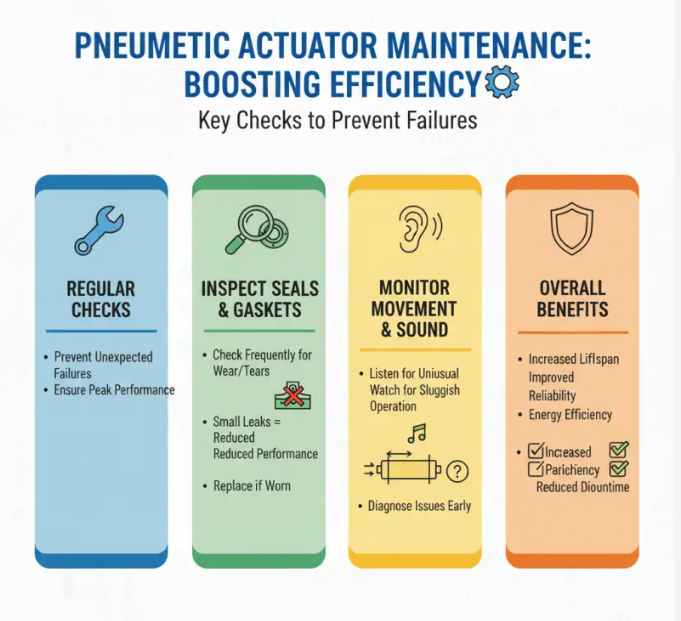
Maintaining pneumatic actuators is crucial for their efficiency. Regular checks can prevent unexpected failures. Inspect the seals and gaskets frequently. Over time, they can wear out and leak. Even small leaks can reduce performance significantly. Keep an eye on the actuator's movement for any unusual sounds. If it seems sluggish, there may be an issue.
Lubrication is another essential task. Use appropriate lubrication methods to minimize friction. Check the manufacturer's recommendations for the right type of lubricant. It's important not to over-lubricate. Too much can attract dust and dirt. The connection points of the Pneumatic Actuator Valve also need attention. Ensure they are clean and free of debris.
Training operators on proper use is often overlooked. Misuse can lead to damage and inefficiency. Continuous education can lead to better handling practices. A simple training session could avoid costly mistakes. Regular feedback from operators can also highlight issues. Addressing these early on can extend the actuator's life.
If you want to learn more about low-priced products, please visit the following website: www.xm-valveactuator.com