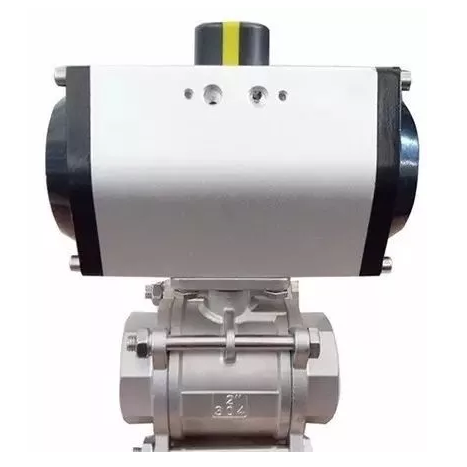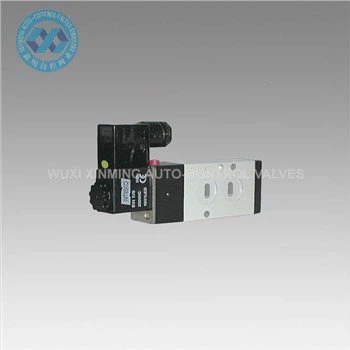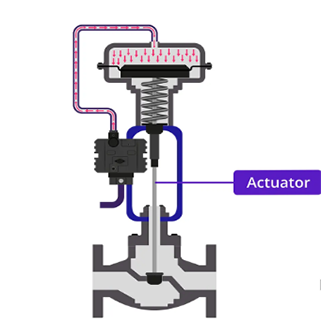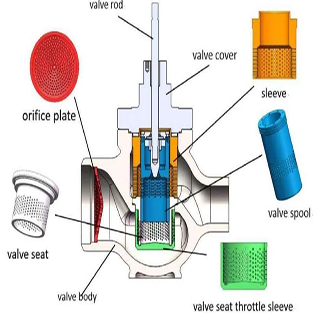
In the world of industrial automation, if the pneumatic actuator is the "muscle" that gets the job done, the solenoid valve is undoubtedly the "brain" telling it when to move. Understanding how these two components interface is crucial for anyone involved in process control, manufacturing, or fluid power.
This guide breaks down the synergy between a pneumatic actuator and a solenoid valve, explaining the mechanics, configurations, and why they are inseparable in modern industry.
The Basics: Defining the Duo
Before diving into their interaction, let's briefly define our players:
-
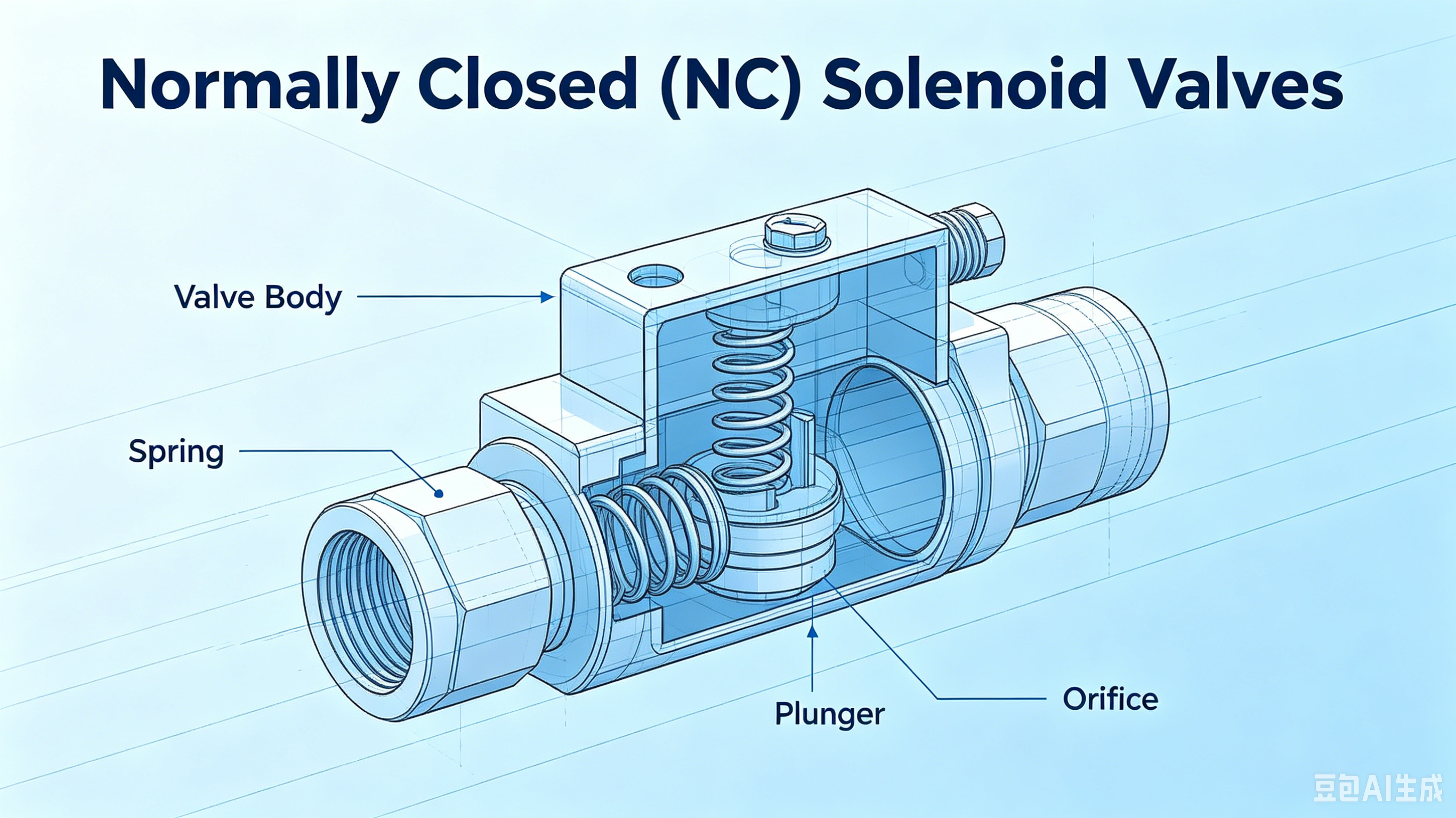
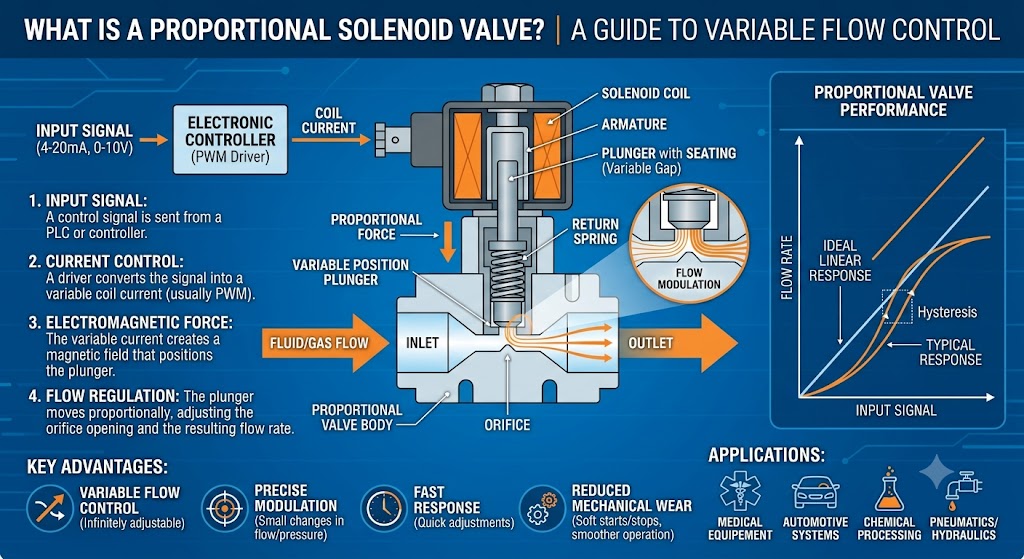
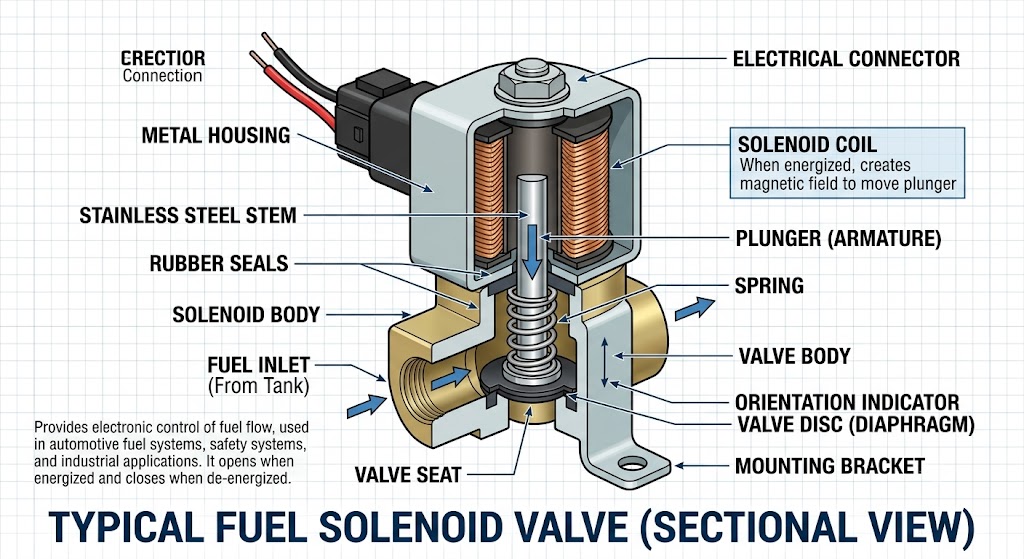
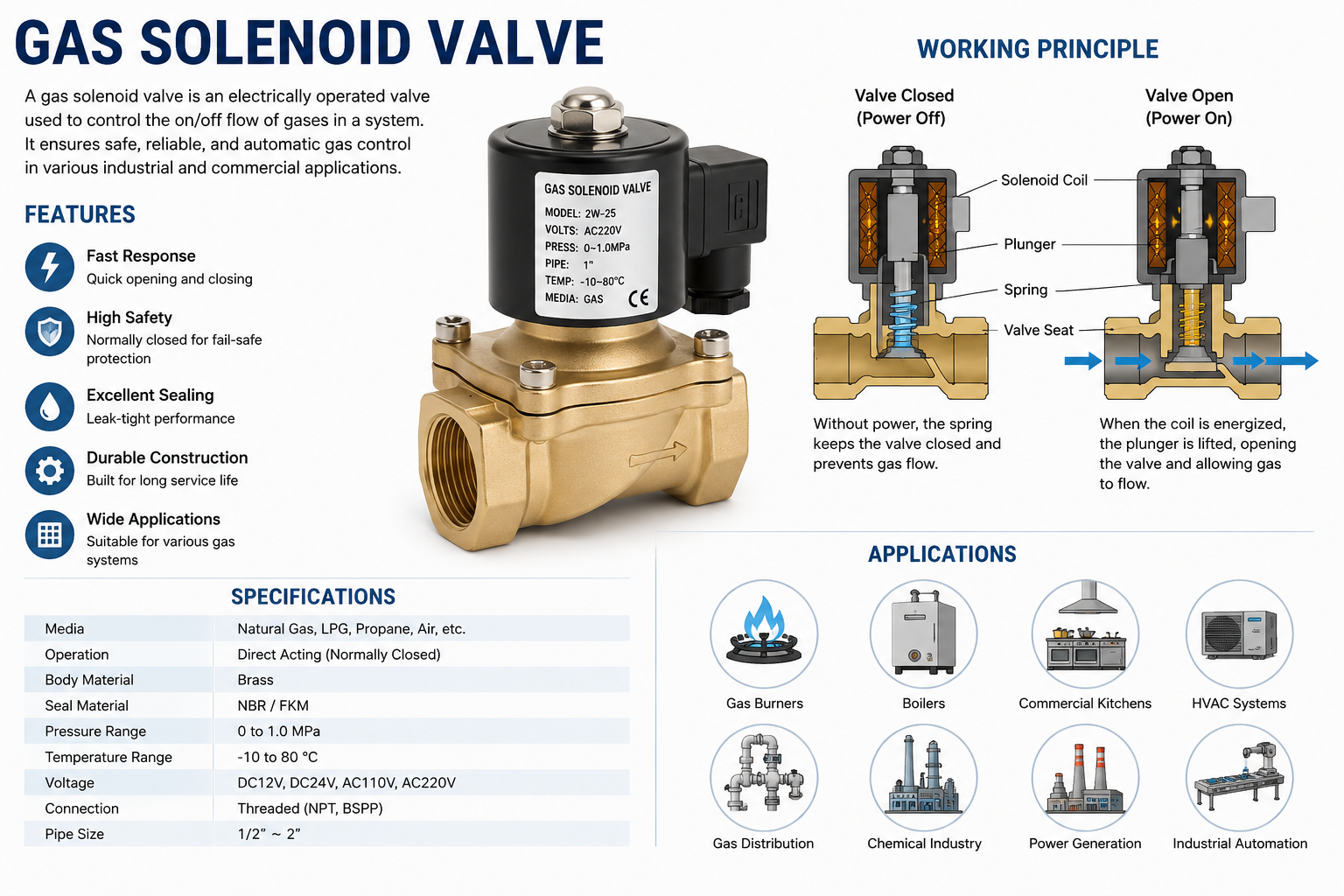
The Solenoid Valve (The Controller): An electromechanical device that uses an electric current to generate a magnetic field, which in turn moves a plunger to open or close an orifice. In a pneumatic system, it directs the flow of compressed air.
-
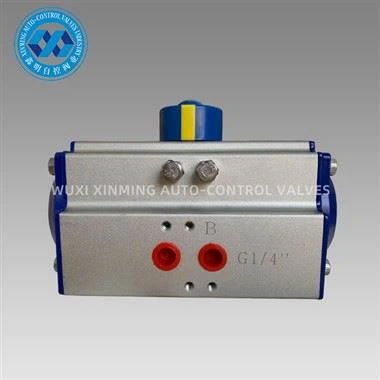
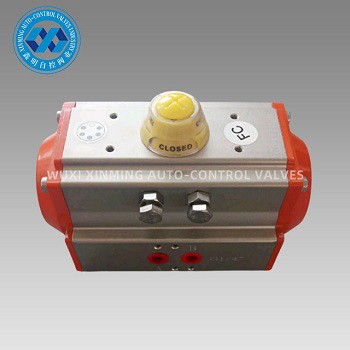
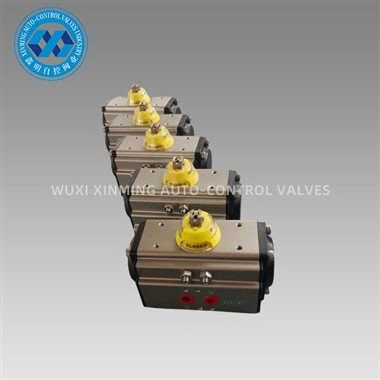
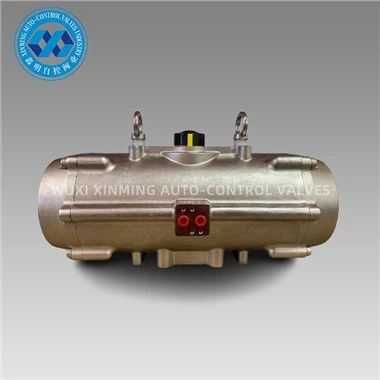
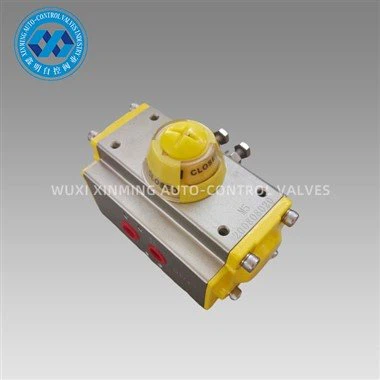
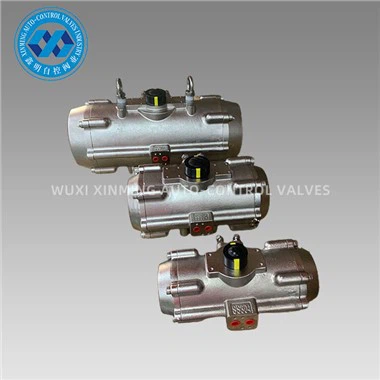
The Pneumatic Actuator (The Worker): A mechanical device that converts the energy of compressed air into motion (either linear or rotary).
How They Work Together: The Step-by-Step Process
The relationship between these two is a conversion of energy: Electrical Signal → Pneumatic Energy → Mechanical Motion.
1. The Electrical Trigger
The process begins when a controller (like a PLC) sends an electrical signal to the solenoid valve's coil.
2. Shifting the Spool
The energized coil creates a magnetic field that pulls the internal plunger or "spool." This movement shifts the valve from its "rest" position to its "active" position, opening specific ports for compressed air to pass through.
3. Air Distribution
The compressed air travels through the tubing (or a direct NAMUR mount) into the chambers of the pneumatic actuator.
4. Actuation
-
In a Double-Acting Actuator: Air enters one side to push the piston/rack forward and then enters the other side to push it back.
-
In a Spring-Return (Single-Acting) Actuator: Air pushes the piston against a spring. When the solenoid cuts the air, the spring naturally pushes the piston back to its original position.
Common Configurations
Choosing the right solenoid valve for your actuator depends entirely on the actuator's type.
| Actuator Type | Solenoid Valve Required | How it Works |
| Spring Return | 3/2-Way Valve | 3 ports (Inlet, Outlet, Exhaust) and 2 positions. It fills the actuator to move it and exhausts the air so the spring can return it. |
| Double Acting | 5/2-Way Valve | 5 ports and 2 positions. It toggles air between the "open" and "close" chambers of the actuator. |
Pro Tip: Many modern solenoid valves are "convertible." By swapping a small plate or O-ring, you can change a 5/2 valve into a 3/2 valve, making them incredibly versatile for maintenance teams.
Why the "NAMUR" Standard Matters
If you've ever looked at a pneumatic actuator, you'll likely see a specific hole pattern on the side. This is the NAMUR mounting interface.
Direct-mount solenoid valves are designed to bolt directly onto this surface. This eliminates the need for excessive tubing and fittings, reducing the risk of air leaks and providing a much cleaner, more compact installation.
Key Benefits of This Integration
-
Precision: Solenoid valves allow for near-instantaneous response times, meaning your valves open and close exactly when the logic controller says so.
-
Safety: In "fail-safe" setups, the solenoid can be configured to automatically exhaust air and allow a spring to close a valve during a power failure.
-
Durability: Pneumatic systems are famously rugged, capable of operating in high-temperature or hazardous environments where electric motors might fail.
Summary
The pneumatic actuator and solenoid valve work together by translating an electrical command into physical force. Without the solenoid, the actuator has no "instruction"; without the actuator, the solenoid is just blowing air into the wind. Together, they form the backbone of automated flow control.
If you want to learn more about low-priced products, please visit the following website: www.xm-valveactuator.com