When it comes to flow control, selecting the wrong valve is like bringing a scalpel to a wood-chopping contest—or vice versa. In the industrial sector, two of the most common yet fundamentally different options are the Butterfly Valve and the Globe Valve.
While both are capable of regulating flow (throttling), their mechanical designs, pressure handling, and price tags vary significantly. This guide breaks down the performance and cost metrics to help you make an informed engineering decision.
Butterfly Valve vs. Globe Valve: Quick Summary
| Feature | Butterfly Valve | Globe Valve |
| Motion | Quarter-turn (Rotational) | Multi-turn (Linear) |
| Throttling Precision | Moderate | Excellent (High Precision) |
| Pressure Drop | Low | High |
| Weight & Size | Lightweight / Compact | Heavy / Bulky |
| Ideal For | Large pipes, low pressure | Precise control, high pressure |
| Relative Cost | Lower (especially > 6 inches) | Higher |
Understanding the Mechanics
What is a Butterfly Valve?
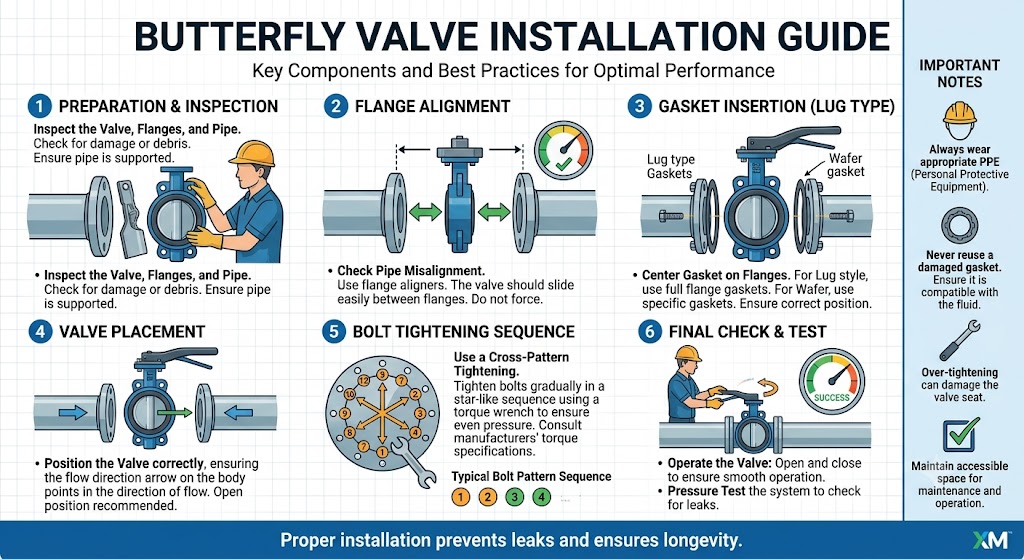
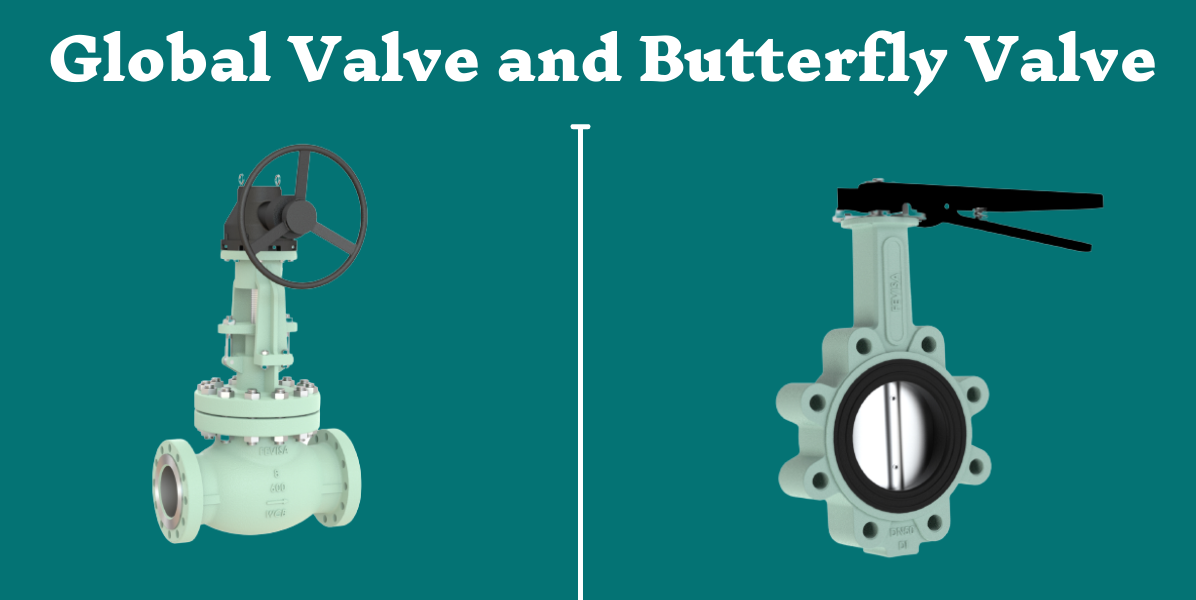
A butterfly valve features a disc mounted on a rotating shaft. When the valve is closed, the disc blocks the flow path. A 90-degree turn rotates the disc to be parallel to the flow.
-
Best For: Large-volume applications where space is limited and a slight pressure drop is acceptable.
-
The "Catch": Because the disc always stays within the flow (even when open), it can create turbulence and is prone to wear in high-velocity systems.
What is a Globe Valve?
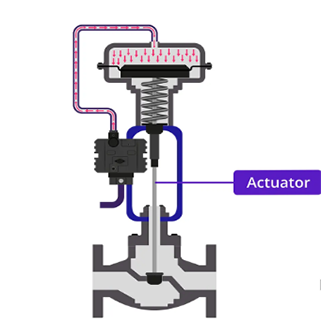
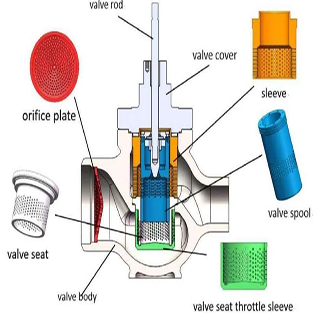
A globe valve uses a linear motion to move a plug (or disc) into a stationary seat. The fluid must change direction to pass through the valve body, typically moving in an "S" pattern.
-
Best For: Applications requiring precise flow regulation and frequent operation.
-
The "Catch": The forced change in fluid direction causes a significant pressure drop, meaning your pumps have to work harder.
Performance Comparison
1. Throttling Accuracy
If your priority is precision, the Globe Valve is the undisputed champion. Its linear stem movement allows for fine-tuned adjustments to the flow rate. A butterfly valve can throttle, but it is less accurate, especially in the first 30% and last 30% of the opening range.
2. Pressure Drop and Flow Capacity
The Butterfly Valve offers a much higher flow coefficient ($C_v$) because the flow path is relatively straight. In contrast, the internal "tortuous path" of a Globe Valve creates high resistance. If your system cannot afford a loss in pressure, the butterfly design is superior.
3. Seal and Shut-off
Globe valves generally provide a better seal in high-pressure environments. Because the plug is pressed directly down onto the seat, it creates a very tight shut-off. Butterfly valves rely on an elastomeric (soft) or metal seal around the perimeter of the disc, which can be more difficult to maintain under extreme temperatures or pressures.
Cost Comparison: Upfront vs. Long-term
Capital Expenditure (CapEx)
-
Butterfly Valves: These are significantly more cost-effective, especially as pipe diameter increases. They use less material and have a shorter "face-to-face" dimension, reducing shipping and installation costs.
-
Globe Valves: Due to their complex internal casting and heavy weight, they are expensive. For pipes over 8 inches, a globe valve can be five to ten times more expensive than a butterfly valve.
Operational Expenditure (OpEx)
-
Maintenance: Butterfly valves have fewer moving parts, but the disc seal can wear out quickly if used for heavy throttling.
-
Energy Costs: Because globe valves cause a high pressure drop, they can lead to higher electricity bills for pumping systems over the long term.
The Verdict: Which One Should You Choose?
-
Choose a Butterfly Valve if: You are working with large pipelines (HVAC, water treatment), have limited space, need a lightweight solution, and only require moderate throttling.
-
Choose a Globe Valve if: You need high-precision flow control (steam systems, chemical processing), handle high-pressure differentials, and the cost of the valve is secondary to the accuracy of the process.
Expert Tip: In modern automated systems, "High-Performance Butterfly Valves" (HPBV) are closing the gap, offering better sealing and throttling than traditional designs, often serving as a middle ground between these two extremes.
If you want to learn more about low-priced products, please visit the following website: www.xm-valveactuator.com