In an era dominated by smart factories and digital automation, the manual valve remains the backbone of fluid control systems worldwide. From emergency shut-offs to precise flow regulation in laboratory settings, these hand-operated components offer a level of reliability and simplicity that high-tech actuators cannot always match.
This guide explores the diverse world of manual valves, their mechanical advantages, and how to select the right type for your specific infrastructure.
1. What is a Manual Valve?
A manual valve is a mechanical device used to start, stop, or regulate the flow of liquids, gases, or slurries through a pipe by manual operation. Unlike automated valves that rely on electric, pneumatic, or hydraulic power, manual valves are operated by hand using a handle, lever, handwheel, or gear.
Why Choose Manual Over Automated?
- Cost-Effectiveness: Significantly lower initial investment and zero energy consumption.
- Reliability: No risk of electrical failure or signal interference.
- Simplicity: Easier to install, troubleshoot, and maintain.
- Safety: Essential for emergency shutdown (ESD) scenarios where power might be cut.
2. Common Types of Manual Valves
Not all manual valves are created equal. Their internal geometry determines whether they are best suited for "on/off" service or "throttling" (regulating) flow.
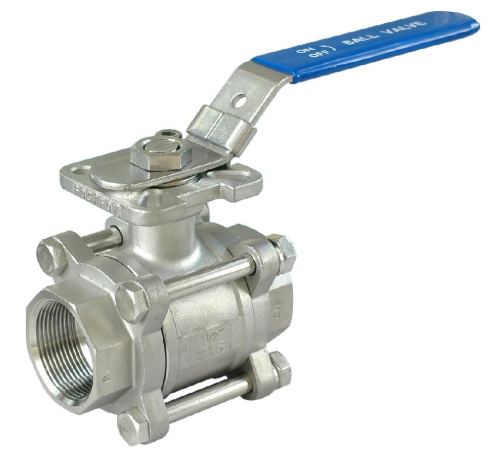
A. Manual Ball Valves
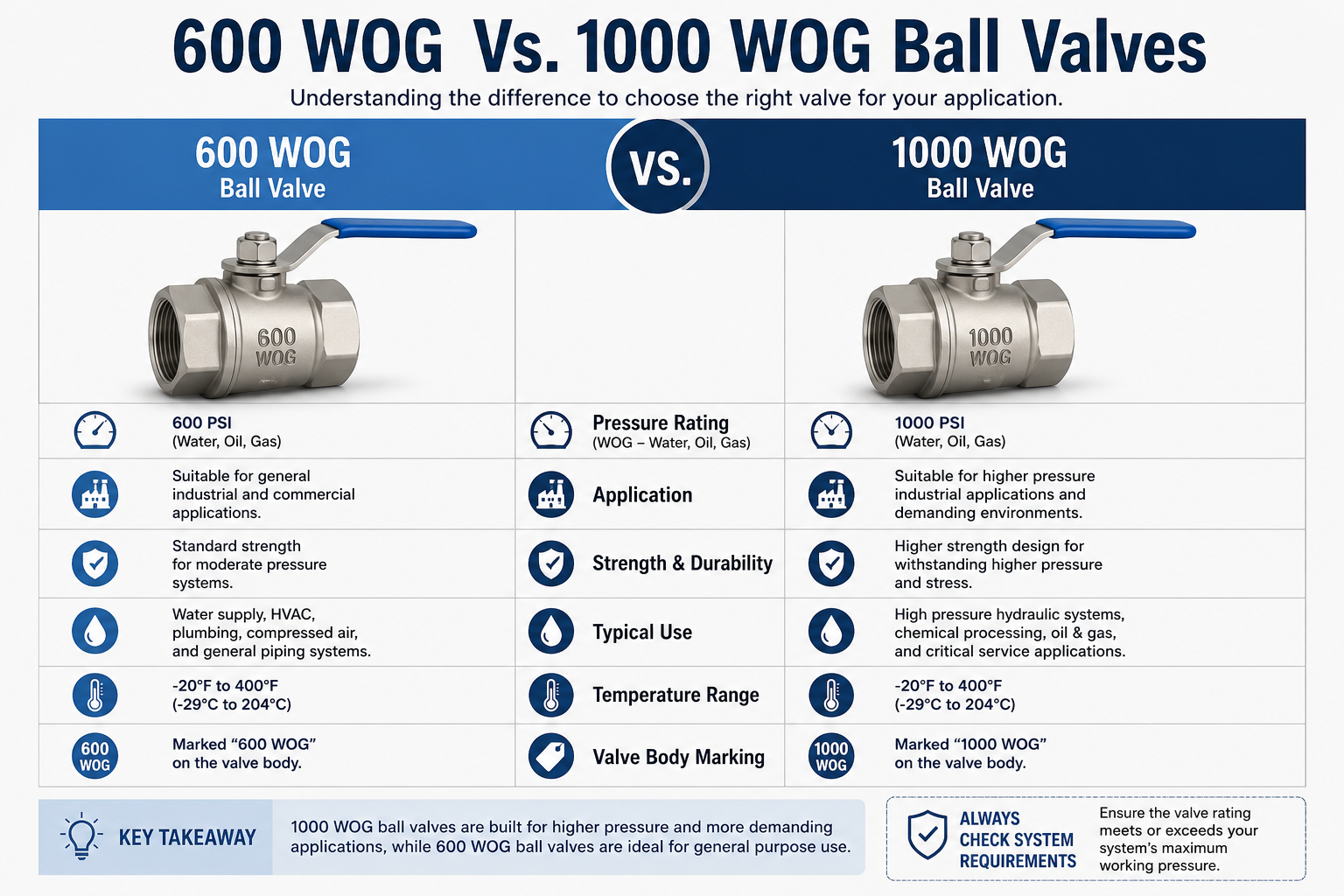
The most common type for quick shut-off. A 90-degree turn of the lever rotates a bore-hole ball to allow or block flow.
- Best for: Quick on/off operations, gas lines, and water systems.
B. Manual Gate Valves
Designed for fully open or fully closed service. They use a plate-like "gate" that slides up and down.
- Best for: Isolation in high-pressure systems where flow is infrequent.
C. Manual Globe Valves
Recognizable by their spherical body, these are the gold standard for throttling. The fluid follows a Z-shaped path, allowing for precise control.
- Best for: Flow regulation and frequent operation.
D. Manual Butterfly Valves
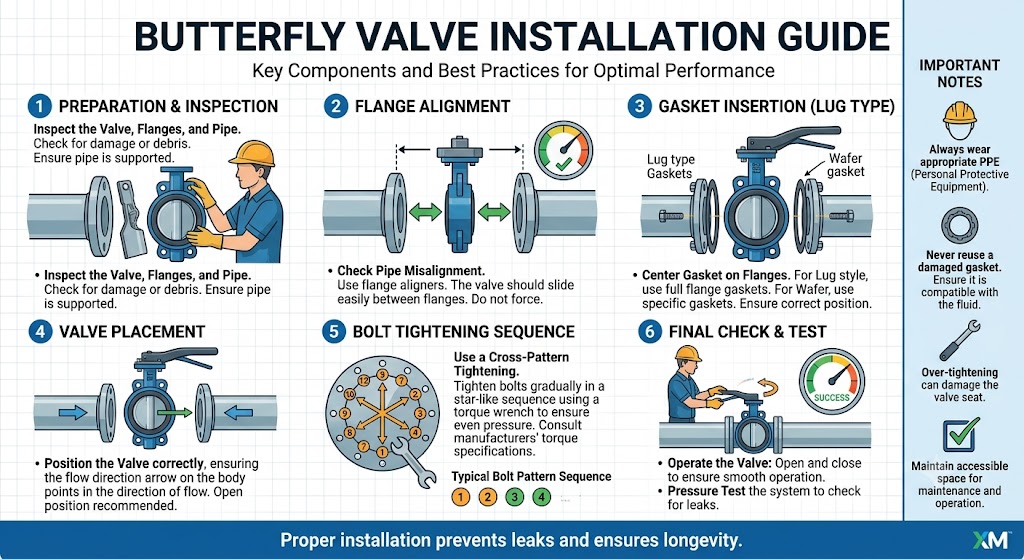
A disc rotates on an axis within the pipe. They are compact, lightweight, and ideal for large-diameter pipes.
- Best for: Space-constrained areas and large-volume water flow.
E. Manual Needle Valves
Used for extremely fine flow control, featuring a sharp, needle-like point on the stem.
- Best for: Precision instruments and calibration systems.
3. Comparison Table: Manual Valve Selection
| Valve Type | Operation Speed | Flow Control | Pressure Drop | Space Requirement |
|---|---|---|---|---|
| Ball Valve | Fast (Quarter-turn) | Poor | Very Low | Moderate |
| Gate Valve | Slow (Multi-turn) | Not Recommended | Minimal | High (Vertical) |
| Globe Valve | Moderate | Excellent | High | Moderate |
| Butterfly Valve | Fast (Quarter-turn) | Fair | Low | Minimal |
| Needle Valve | Slow (Multi-turn) | Highest Precision | High | Small |
4. Key Components of a Manual Valve
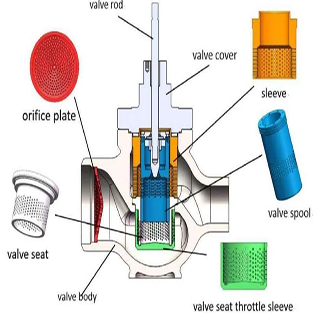
To ensure a long service life, it is vital to understand the anatomy of the valve:
- The Body: The outer shell that houses the internal parts.
- The Stem: Connects the external handle to the internal disc/ball.
- The Bonnet: The cover for the opening in the body; it is critical for pressure containment.
- The Seat: The surface against which the disc or ball seals to stop flow.
- The Packing: A seal that prevents media from leaking out along the stem.
5. Maintenance Tips for Longevity
Manual valves are "set it and forget it" components, but they still require basic care to prevent seizing or leaking:
- Lubrication: Periodically grease the stem threads and gears to ensure smooth handwheel operation.
- Seal Inspection: Check the packing nut if you notice weeping (small leaks) around the stem. Tightening it slightly can often stop the leak.
- Avoid Over-Tightening: Using a "cheater bar" or wrench on a handwheel can warp the internal seat or snap the stem. Always operate within the manufacturer's torque limits.
- Cycling: For valves that stay closed for long periods, "exercise" them twice a year to prevent mineral buildup and corrosion.
Conclusion
The manual valve is a testament to the power of mechanical engineering. Whether you are managing a chemical plant, a commercial HVAC system, or a simple plumbing line, choosing the right manual valve ensures safety and operational efficiency without the complexity of automated systems.
If you want to learn more about low-priced products, please visit the following website: www.xm-valveactuator.com