Ball valves are the unsung heroes of industrial fluid control. Known for their reliable "bubble-tight" shut-off and ease of operation, they are a staple in everything from residential plumbing to high-pressure oil and gas pipelines. However, the question remains: What is the typical lifespan of ball valves, and how can you maximize it?
While a high-quality ball valve can last anywhere from 8 to 20 years, its actual "service life" depends on a complex interplay of materials, environment, and operational frequency.
1. Key Factors Influencing Ball Valve Longevity
Understanding what wears down a valve is the first step in extending its life.
Material Selection
The chemistry between the valve material and the media it carries is critical.
- Stainless Steel: Exceptional corrosion resistance, ideal for harsh chemicals.
- Brass: Great for water and non-corrosive fluids but prone to "dezincification" in certain environments.
- PVC/CPVC: Excellent for low-pressure, corrosive chemical applications where metals would fail.
Cycle Frequency
Unlike static components, ball valves are mechanical. Every "cycle" (opening and closing) creates friction between the ball and the seats. High-cycle applications (valves that open/close dozens of times a day) will naturally have a shorter lifespan than those used for seasonal shut-offs.
Media Characteristics
What is flowing through the pipe?
- Slurries and Abrasives: These act like sandpaper, eroding the ball surface and tearing the soft seats.
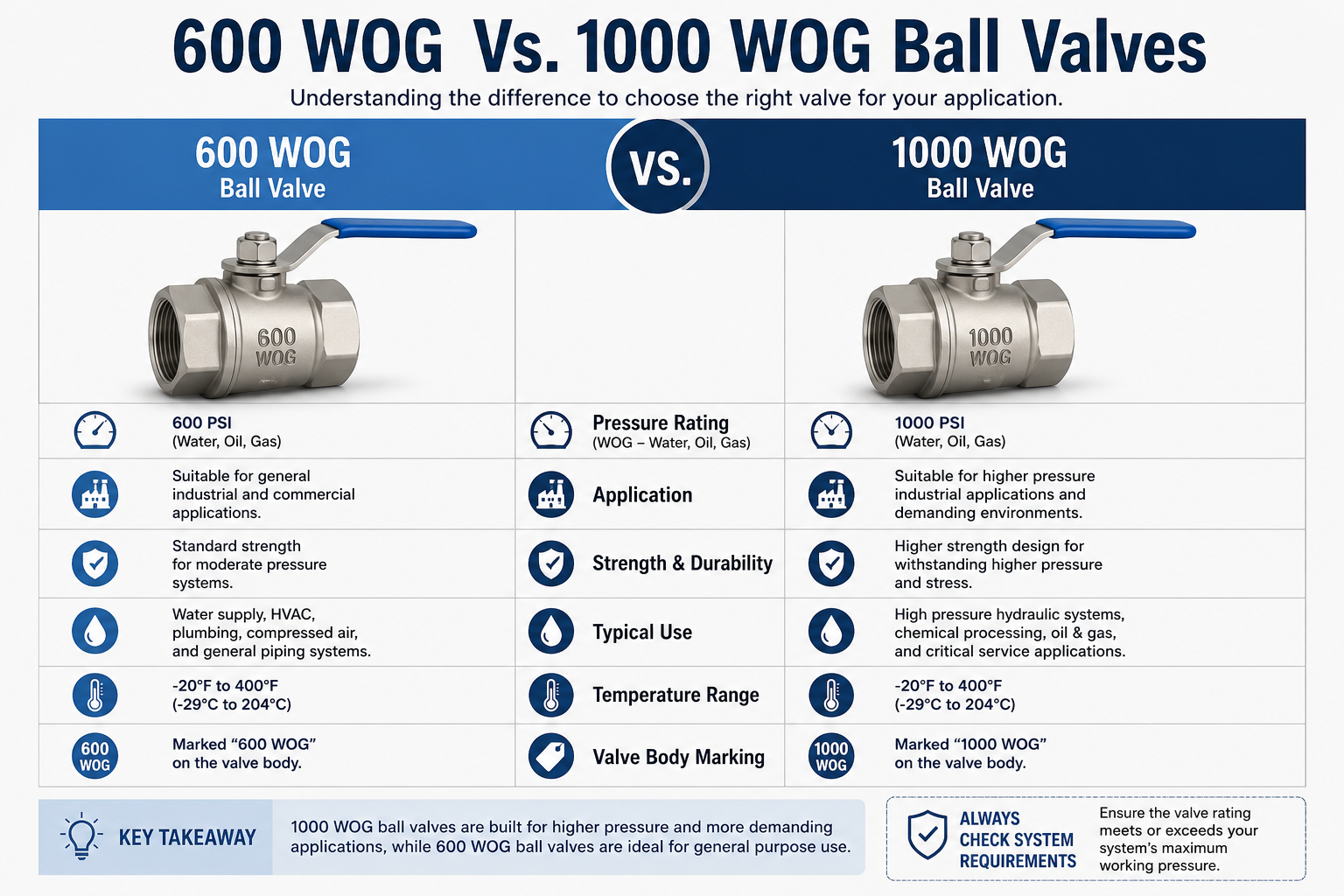
- High Temperature/Pressure: Extreme conditions can cause "cold flow" or deformation of the seats (usually made of PTFE), leading to leaks.
2. Average Lifespan Expectations
| Material / Type | Typical Lifespan (Years) | Best For |
|---|---|---|
| Stainless Steel (316) | 15–20+ | Industrial chemicals, high pressure |
| Brass / Bronze | 10–15 | Residential water, HVAC |
| Carbon Steel | 10–12 | Oil and gas (requires coating) |
| PVC / Plastic | 5–10 | Irrigation, pool systems, acids |
Note: These figures assume "normal" operating conditions. A stainless steel valve in a highly abrasive mining slurry might only last 18 months without specialized coatings.
3. Common Failure Points
To increase the lifespan of ball valves, you must monitor the three most common areas of failure:
- Seat Leakage: The PTFE or reinforced seats wear down, preventing a perfect seal when closed.
- Stem Packing Leaks: Often caused by high-pressure cycles pushing media past the stem seals.
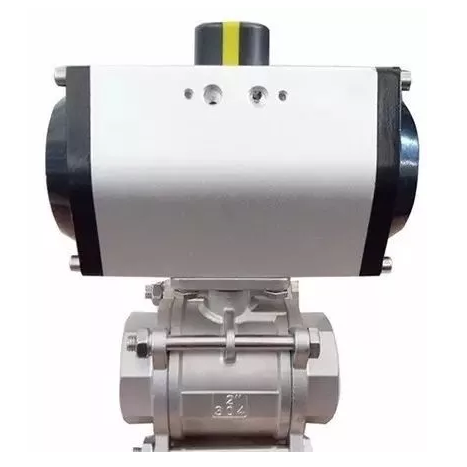
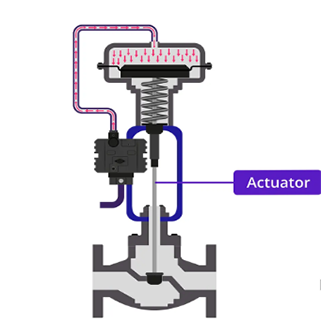
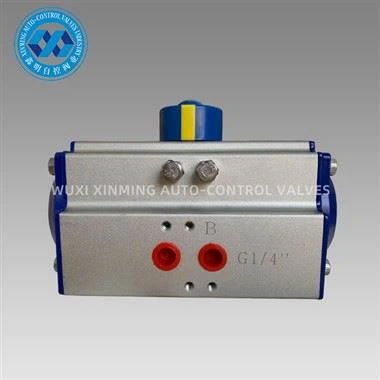
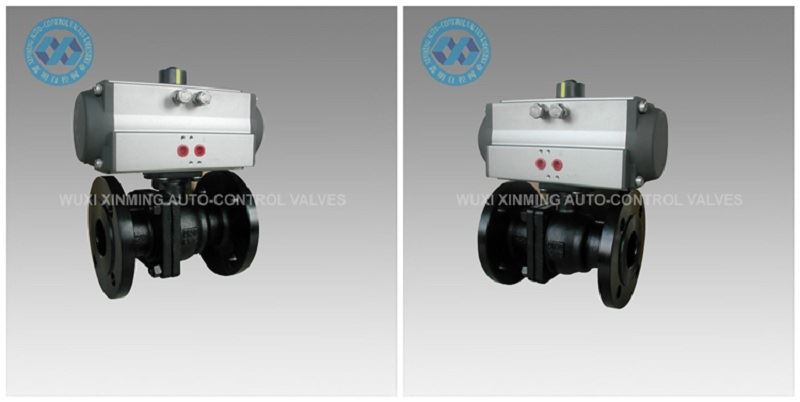
- Actuator Alignment: In automated systems, if the actuator is slightly misaligned, it puts "side load" on the stem, causing premature wear.
4. Pro Tips for Extending Ball Valve Life
If you want to push your equipment toward that 20-year mark, follow these best practices:
- Exercise the Valve: If a valve stays in one position for years, it can "seize" due to mineral buildup. Turn it at least once every six months.
- Install Upstream Strainers: Use filters or strainers to catch debris before it reaches the valve and scratches the ball or seats.
- Match the Seat to the Temp: For temperatures exceeding 200°C (392°F), standard PTFE won't cut it. Move to reinforced PTFE or metal-seated ball valves.
- Regular Lubrication: For larger industrial valves, ensuring the internal mechanisms are lubricated (if the design allows) significantly reduces frictional torque.
Conclusion
The lifespan of ball valves isn't a fixed number; it's a variable you can control through smart material selection and proactive maintenance. By choosing the right valve for your specific pressure, temperature, and media, you ensure that your system remains efficient and leak-free for decades.
If you want to learn more about low-priced products, please visit the following website: www.xm-valveactuator.com