In the sophisticated world of thermal management, precision isn't just a "nice-to-have"—it's the difference between a perfectly chilled cold room and a catastrophic system failure. At the center of this precision lies the HVAC and Refrigeration Solenoid Valve.
Think of these valves as the traffic cops of your refrigerant circuit. They dictate exactly when, where, and how much refrigerant flows, ensuring that your HVAC/R system operates at peak efficiency while protecting expensive components like compressors.
What is an HVAC/R Solenoid Valve?
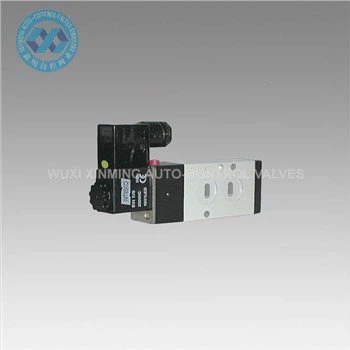
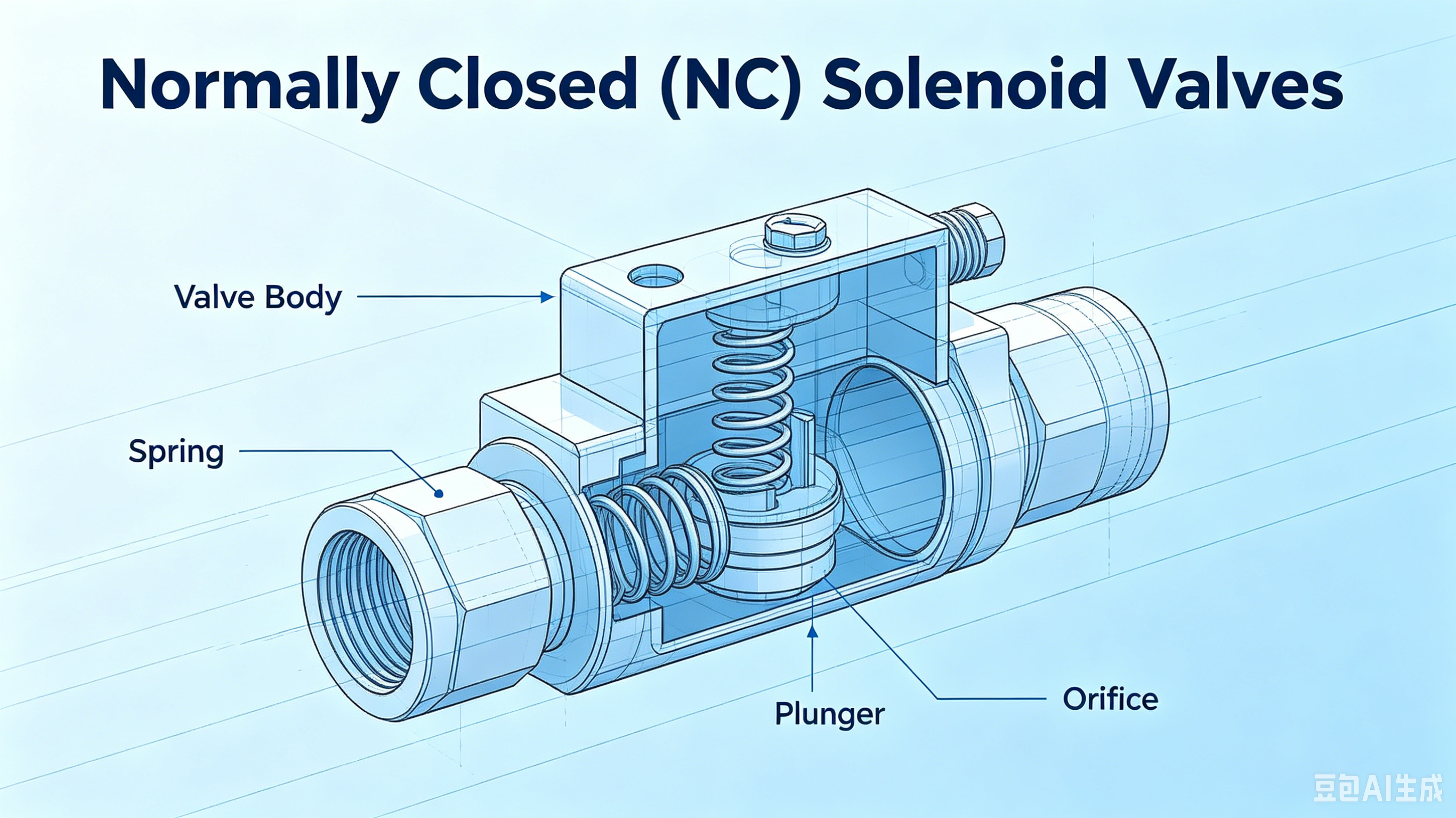
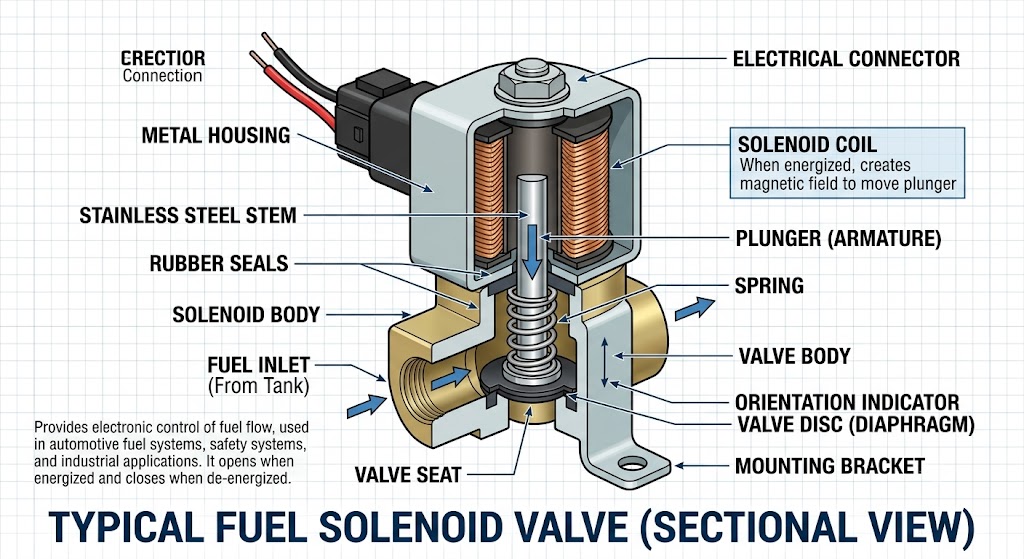
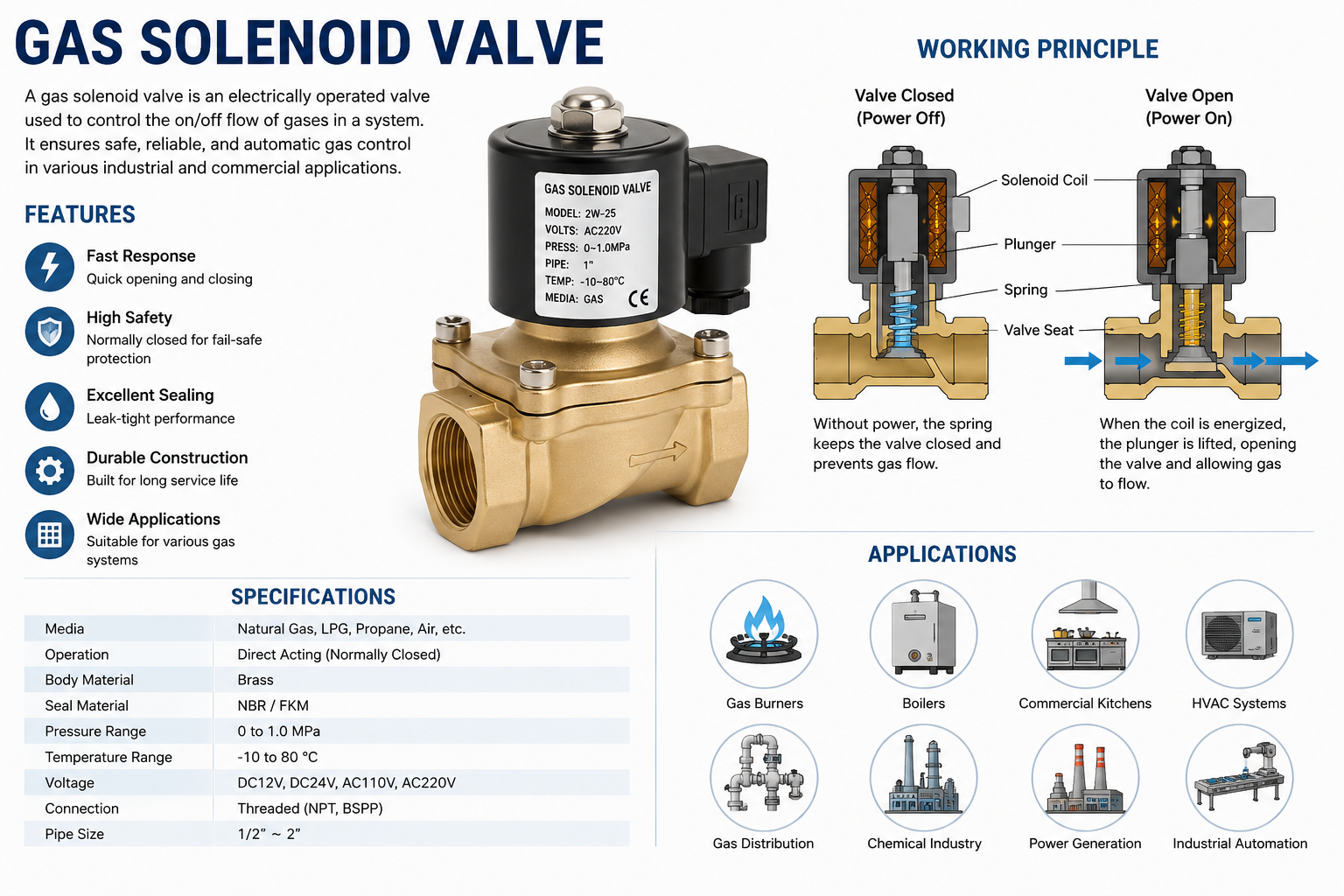
At its core, a solenoid valve is an electromechanically operated valve. It uses an electric current to generate a magnetic field through a solenoid coil, which in turn moves a ferrous plunger to open or close the valve orifice.
In HVAC and refrigeration, these valves are designed to handle the unique pressures and chemical properties of modern refrigerants (such as R-410A, R-134a, or natural refrigerants like R-290 CO2).
Types of Solenoid Valves in Refrigeration
Choosing the right valve depends entirely on your system's capacity and the specific application.
1. Direct-Acting Solenoid Valves
These are the simplest models. The electromagnetic force of the coil directly lifts the seat.
-
Best for: Small capacity systems or applications with zero pressure differential.
-
Limitation: They require very large coils to open against high pressures in larger pipes.
2. Pilot-Operated (Servo-Operated) Valves
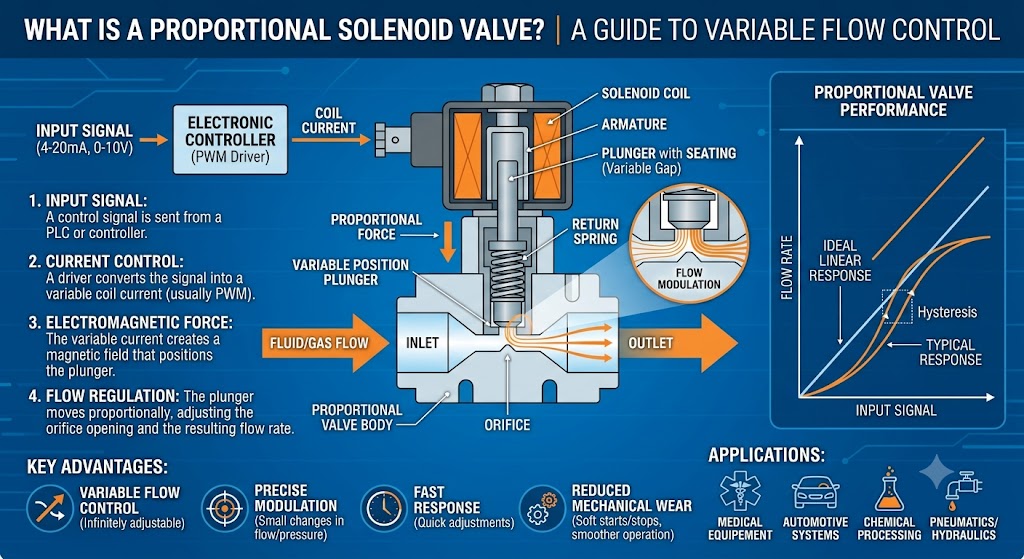
These valves use the pressure difference of the refrigerant itself to do the heavy lifting. The solenoid coil only opens a tiny pilot port, which creates a pressure imbalance that moves a diaphragm or piston.
-
Best for: Large commercial HVAC systems and industrial refrigeration.
-
Requirement: They usually require a Minimum Operating Pressure Differential (MOPD) to function correctly.
Critical Applications in the Cooling Cycle
Where exactly do these components live in your system?
-
Liquid Line Isolation: Often installed before the expansion valve to prevent "refrigerant migration" to the compressor during the off-cycle, preventing liquid slugging upon startup.
-
Hot Gas Bypass: Used to regulate capacity by bypassing hot gas from the discharge side back to the suction side, preventing the evaporator from freezing under low-load conditions.
-
Reversing Valves: Essential in heat pumps to switch the flow of refrigerant, allowing the system to transition from cooling mode to heating mode.
-
Suction Line Control: Used for temperature control in multi-evaporator systems (like a supermarket with different display cases).
Comparison: Direct-Acting vs. Pilot-Operated
| Feature | Direct-Acting | Pilot-Operated |
|---|---|---|
| Orifice Size | Small (typically < 6mm) | Large (up to 50mm+) |
| Pressure Req. | 0 PSI Differential | Requires Min. Differential |
| Power Consumption | High (relative to size) | Low (uses fluid pressure) |
| Common Use | Small domestic fridges | Commercial Chillers/Cold Storage |
Selecting the Right Valve: Key Specs to Watch
When sourcing HVAC and refrigeration solenoid valves, "close enough" usually leads to a service call. Pay attention to these three pillars:
1. Refrigerant Compatibility
Not all seals are created equal. Synthetic oils (POE) used with HFCs can degrade seals meant for older mineral oils. Ensure the valve is rated for your specific gas.
2. MOPD (Maximum Operating Pressure Differential)
This is the maximum pressure difference against which the valve can safely open. If your system pressure exceeds the MOPD, the coil won't have enough "muscle" to lift the plunger.
3. Coil Voltage and Environment
Solenoid coils are prone to burnout if they aren't matched to the local power supply (24V, 120V, 240V). Furthermore, in refrigeration, moisture is the enemy. Opt for IP65 or IP67 rated "encapsulated" coils to prevent ice or condensation from short-circuiting the electronics.
Maintenance and Troubleshooting
Pro Tip: Before you replace a "dead" valve, check the coil with a screwdriver. If the valve is energized, you should feel a magnetic "tug" on the screwdriver blade. If there's magnetism but no flow, the issue is mechanical (debris in the orifice); if there's no magnetism, the issue is electrical.
Common Failure Points:
-
Debris: Small copper shavings from brazing can lodge in the seat, preventing a tight seal.
-
Burnt Coils: Often caused by overvoltage or by leaving the coil energized while it's removed from the valve stem (heat buildup).
-
Wrong Orientation: Most refrigeration solenoid valves must be installed upright. Installing them upside down allows debris to settle in the plunger tube.
Conclusion
The HVAC and Refrigeration Solenoid Valve is the gatekeeper of system longevity and energy efficiency. By automating the flow of refrigerant, these components allow for the complex, multi-stage cooling that modern industry relies on. Whether you are designing a high-efficiency heat pump or maintaining a massive cold-chain warehouse, understanding the nuances of valve selection is the first step toward a system that stays cool under pressure.
If you want to learn more about low-priced products, please visit the following website: www.xm-valveactuator.com