In the world of plumbing, whether residential or industrial, the efficiency of a system is only as good as its weakest connection. Ball valves and plumbing fittings are the unsung heroes of fluid dynamics, ensuring that water, gas, and oil reach their destinations without leaks or pressure drops.
This guide explores the mechanics, types, and materials of these essential components to help you make informed decisions for your next project.
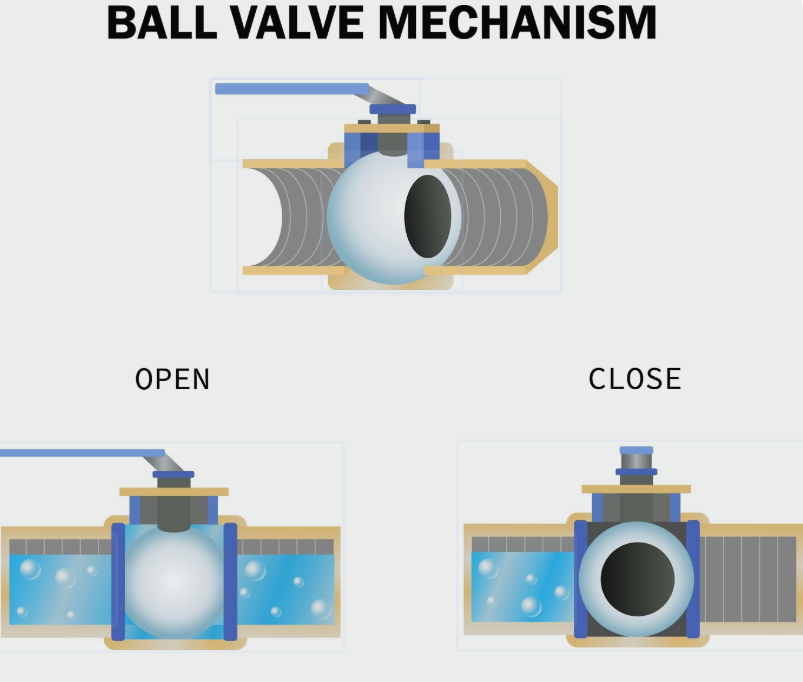
What is a Ball Valve?
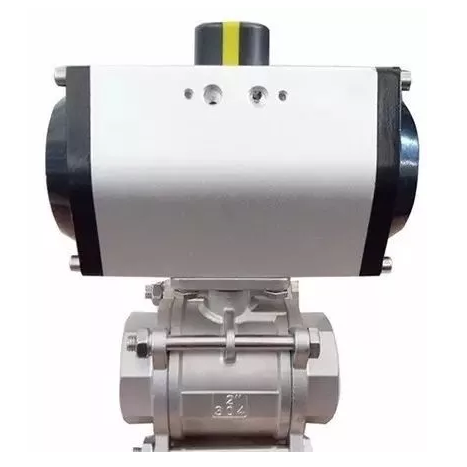
A ball valve is a shut-off valve that controls the flow of a liquid or gas by means of a rotary ball having a bore. By rotating the ball 90 degrees (a quarter-turn) around its axis, the medium can flow through or be blocked.
Why Professionals Prefer Ball Valves
- Durability: They perform well after many cycles and are reliable, closing securely even after long periods of disuse.
- Ease of Operation: The quarter-turn mechanism allows for quick shut-off, which is critical in emergency situations.
- High Pressure Tolerance: They can withstand high pressure and high-volume flow compared to gate or globe valves.
Types of Ball Valves
Not all ball valves are created equal. Depending on your piping requirements, you may need a specific configuration:
- Full Port Ball Valve: The hole in the ball is the same size as the pipe, resulting in no flow resistance.
- Standard Port (Reduced Port): The hole is one pipe size smaller than the pipe, which is more cost-effective but creates a slight pressure drop.
- Three-Way Ball Valves: Used for diverting or mixing flow between three different ports.
- Threaded vs. Soldered: Threaded valves are easy to replace, while soldered (sweat) valves offer a permanent, leak-proof seal for copper systems.
Essential Plumbing Fittings
If valves are the "brakes" of a plumbing system, fittings are the "skeleton." They are used to join pipe sections, change flow direction, or adapt different pipe sizes.
Common Fitting Categories:
- Elbows (45° or 90°): Used to change the direction of the pipeline.
- Tees: Shaped like the letter "T," these allow a line to be split into two separate runs.
- Couplings and Unions: Used to connect two pipes of the same diameter. A union allows for easy disconnection for future maintenance.
- Reducers: Specifically designed to connect pipes of different diameters.
- Adapters: Used to change the end type of a pipe (e.g., from male threads to a solder connection).
Material Comparison: Choosing the Right Match
Selecting the right material is the difference between a system that lasts 50 years and one that fails in five.
| Material | Best For | Pros | Cons |
| Brass | Residential Water/Gas | Corrosion-resistant, durable | More expensive than plastic |
| PVC / CPVC | Irrigation, Cold Water | Inexpensive, no corrosion | Low heat/pressure tolerance |
| Stainless Steel | Industrial, High Pressure | Extreme durability, hygienic | Highest cost |
| PEX Fittings | Modern Home Plumbing | Flexible, fast installation | Requires specialized tools |
Installation and Maintenance Tips
To ensure your ball valves and plumbing fittings stand the test of time, follow these industry best practices:
Pro-Tip: Always "exercise" your ball valves at least once a year. Turning the handle on and off prevents mineral buildup from seizing the internal ball mechanism.
- Check Compatibility: Ensure the thread type (NPT vs. BSP) and material of the fitting match the pipe to prevent galvanic corrosion.
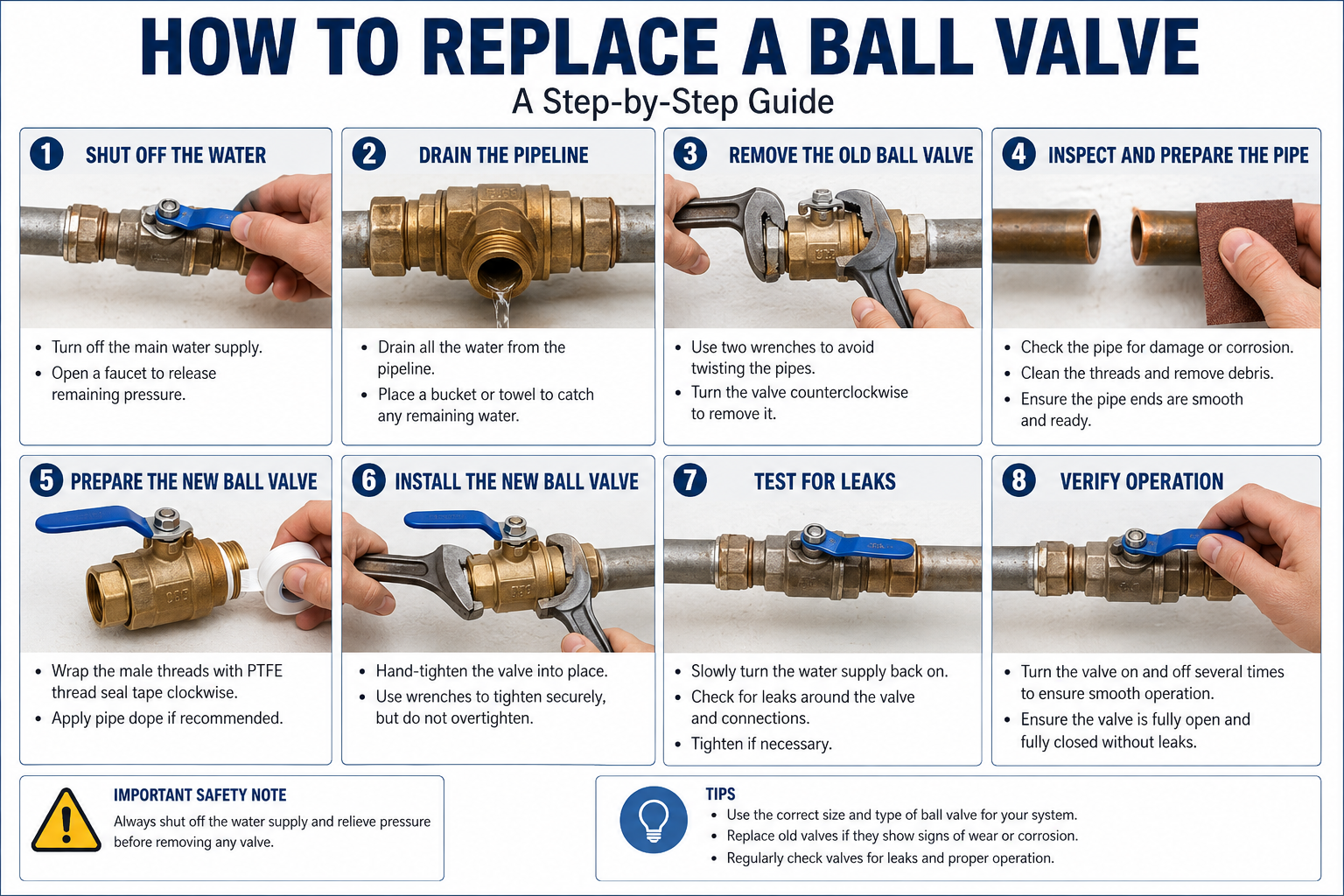
- Use Thread Sealant: For threaded connections, always use PTFE tape (Plumber's tape) or pipe dope to ensure a watertight seal.
- Avoid Over-tightening: Over-tightening can crack brass fittings or strip threads, especially in plastic systems.
- Deburr the Pipe: Before inserting a pipe into a fitting, ensure the edges are smooth to prevent damage to O-rings or seals.
Conclusion
Understanding the synergy between ball valves and plumbing fittings is crucial for any successful plumbing installation. By choosing high-quality materials and the correct valve types, you minimize the risk of leaks and maximize the longevity of your infrastructure. Whether you are a DIY enthusiast or a professional contractor, investing in premium flow control components is always the smartest move for long-term peace of mind.
If you want to learn more about low-priced products, please visit the following website: www.xm-valveactuator.com